Blog

Showing posts with label Readers. Show all posts

Why You Need a Reader-Friendly Website (And How to Get It That Way)


By Jody Hedlund, @JodyHedlund

Today is the release of my 10th full length novel! Whoo-hoo! Can you believe it? It seems like just yesterday my debut book was releasing and now book number 10 is hitting shelves!

I'm super excited about this particular book, Luther and Katharina. I wrote the book about seven years ago (around the same time I wrote my debut book). But for many different reasons, this book languished in la-la land. All the waiting has made this release day even more special.

My author copies!
(Sidenote: A word of hope for those who are seeking tradition publication for a specific book–don't give up hope if that's your dream! It can happen, perhaps just not the way you expect or as quickly.)

Every time a book birthday draws near, I begin to strategize my marketing plan, not only with my publisher, but I also come up with a brainstormed list of things I can do as well. I try to vary what I do from book to book. Sometimes I do blog tours. Other times I do social media sharing contests. This time I'm doing daily trivia questions and giveaways over on Facebook.


While marketing plans change from book to book, there's one thing I do with every single new book–I update my website and make sure the new book page is ready for readers. And no I don't just add the book, the blurb, a few reviews, and the "buy now" tabs and call it good. I go beyond that to make sure the page is reader-friendly.

Why is it important for authors to have an up-to-date, reader-friendly website? 

There are lots of reasons, especially in today's current competitive market. One of the main reasons is that a website is an author's "home." When we have visitors into our physical home, first impressions often stick. Visitors get a glimpse of our personality and tastes by what they see. And if it's unwelcoming, our visitors will sense that too.

Likewise our online homes reflect us as authors. If our sites are disorganized, hard to navigate, and out-of-date, that will speak volumes. If our site is all about the "hard sell" with only the "buy now" buttons, chances are readers aren't going to feel all that welcome. When they leave our site, they'll have no motivation to return.

Ultimately we DO want readers to return, over and over. We want to have a welcoming atmosphere that fosters an ongoing relationship.

In other words, our website is much more than a showcase for us as authors. Yes, it's important to have our bios, pictures, etc. But it can't stop there. Our website needs to meet the needs of our readers. What can we give to them? How can we enhance their reading experience? What will help them connect more deeply with our stories?

As I prepared for the release of Luther and Katharina, here are a few simple ways I made sure the book page was ready for readers. The page includes:

Book Club Collection package. All of the items are free and easy to download: introduction letter, discussion questions, famous Luther quotes, a fun quiz to do before or after the meeting, and background information on the characters.

Playlist of songs and hymns. This particular playlist consists of hymns written by Martin Luther. I chose more contemporary renditions to reflect my tastes.

Famous Quotes download. I put together a list of famous Martin Luther quotes and also highlight some of the ones I use in the book.


Martin Luther quiz . I used Quibblo.com for an easy format.

Pinterest Gallery. The board is full of various pictures that relate to the book.

Reader Photos slideshow. Whenever a reader takes a picture of herself or her pet with the book, I add it to the slideshow.

Reader Creation slideshow. I love when readers make graphics of quotes from my books or even just to showcase the book itself. I put those graphics into a slideshow as well.

Authorgraph widget. I make it easy for readers to have their e-books signed by including an authorgraph widget at the bottom of the page.

I invite you to stop by my Luther and Katharina page to browse around to get a better idea of all of the above. My website is always a work in progress and I welcome additional ideas of how I can make it more engaging.

What about YOU? How reader-friendly is your website? What are some other ways authors might make their websites more engaging for readers?

Reader Pet Peeves


By Jody Hedlund, @JodyHedlund

Did you know readers have pet peeves?

As a reader, there are definitely things that drive me batty.

For example, one of my pet peeves is when authors use dialogue to drop in story information, like this instance when a mother is speaking to her daughter to convey a description, "Don't forget to brush your long, waist-length blond hair, dear." Um, okay. What mother would really drop a description like that into everyday conversation?

Another of my pet peeves is when authors introduce too many characters too soon, requiring me to open up a notes page on my iphone and keep a running tally of the characters' names just so that I can keep them all straight.

Often it's all too easy for authors to write in our own little kingdom of oblivion without chatting with readers to find out what they may or may not like.

So in a recent Facebook chat with my readers, I threw out this question: "When you're reading a book, what's your biggest pet peeve? We authors are always curious what drives our readers crazy!"

There were over 80 responses!

I thought I'd share some of those reader pet peeves so that all of us can become more aware of what readers don't like. While these little nuggets might not contain any hard, fast writing rules, these readers do offer some excellent advice.

Reader Pet Peeves:

Regarding Plot:

• Taking forever to get to the plot.

• Misunderstandings between the two main characters that go on and on and on. After a while, I just want to shake them and say, "Okay will you two just be honest with each other!"

• When a sub plot is started and then dropped - I get frustrated not knowing how it turned out.

• When I can predict the ending way too early.

• When characters flip flop too much. When they move from one act or scene to another without really finishing up the previous one.

• Loose ends! Unless the book is part of a series, I like all of the loose ends to be tied up.

• Epilogues that are too short and just added so everything is wrapped up quickly.

Regarding the Writing:

• Bad grammar and repeating phrases. Also a lot of adjectives, adverbs, and other stuff added to make the story longer.

• The awkward sentence that sometimes creeps in and you have to read it two or three times to understand what they are "getting at."

• Too much description and too many details bog the story down for me and it becomes boring. It's a balancing act here--some is needed, too much becomes painful.

• I hate when authors insult my intelligence by highlighting what should be subtle clues.

• Lack of research for details. If they get details wrong for lack of checking things out, it really bugs me.

Regarding Characters:

• Making the main characters too unlikable in the beginning if they are a "work in progress." Sometimes it's hard to bounce that image out of my head. Some authors take it a bit too far.

• The frequent repetition of what a particular character feels or believes. I don't mind being reminded once or twice, but once I've been told I don't like having the info repeatedly dished out.

• When the main characters angst over the same thing throughout the majority of the book without progressing. It gets repetitive and boring.

• When the dialogue does not represent the person who is speaking.

• Repetition of an action that is a habit for a person. If the heroine bites her lips when nervous I get it after the third time it's pointed out. When it gets to a dozen times I am irritated.

• Character names (especially main) that I am unsure how to pronounce or how the author intended it to be pronounced.

Enlightening pet peeves, aren't they? Thank you, dear readers, for sharing them!

Are there any other pet peeves that you would add? What bothers you the most in the books that you read?

Reasons Why Favorite Authors Disappoint Their Readers


By Jody Hedlund, @JodyHedlund

In about a month another one of my books, Rebellious Heart, will start making its way into reader hands. Sometimes it's hard to believe that I'll have FIVE books out there. It's exciting, but also a little scary.

It's exciting to be reaching a point in my career where I'm not debut anymore, where I'm more seasoned and growing accustomed to the published author life.

At the same time, it's also scary to have another book going live. It's always unnerving around release time waiting for reader reactions, praying fans will enjoy the new story, and hoping that those who don't like it won't be too harsh!

I know that not every book I write will resonate with all my readers. In fact, the bigger my readership gets, the greater the chances that I'll disappoint more people. It's inevitable.

Even if we do our best to craft a page-turning, heart-wrenching, riveting story, authors can't hit a home-run with every book.

I know this because my favorite authors don't always wow me with every single one of their books. In fact, occasionally after reading a book by one of my tried-and-true's, I come away disappointed. Not often. But it does happen.

Usually, when I come away from a book like that I just shrug my shoulders and say, "Oh well. I'll probably like the next one better." I don't give up on an author just because one book didn't resonate.

For example, I recently read The Goose Girl by Shannon Hale and I loved it. For a young adult historical fiction, it was a beautifully written and enthralling story. I tried another by Shannon Hale, Book of a Thousand Days, and it just didn't grip me the way the first story did. I'm not giving up on Hale's books just yet. I'm still going to try at least one more.

But that begs the question: How many books do you read of a favorite author before you give up on them, before you move on to someone else? What are some of the reasons why a reader might be tempted to stray from an author they love?

1. The subject matter of their stories no longer resonate.

This is probably one of the top reasons I stray from a favorite author. For whatever reason, the stories don't grip me anymore. It could be because I've changed in my tastes, my needs, or my priorities. Or it could be that the author is writing about topics that just don't interest me the way previous stories did.

2. The author changes their writing style.

Whether they get bored or simply want to keep things fresh, writers may incorporate new writing techniques or styles into their books. Sometimes those changes grate on readers who are already comfortable and familiar with the writing style of the author.

3. The author switches to a different genre.

The old rules about authors having to stick to one genre for branding purposes are changing. Numerous authors are dabbling in more than one genre and having success in each. However, if a favorite author completely switches genres, especially to a genre I don't like, I probably won't follow them to that new genre.

4. After multiple books, an author looses originality and their stories all begin to sound alike.

This has happened to me for a number of authors I like. Usually I take a break from the author. And after time away, I can go back to that author and enjoy him or her again. Even so, I appreciate when authors take the time to come up with fresh stories, new twists, and original characters time and time again.

5. The quality of editing goes noticeably down.

Sometimes best-selling authors are given more freedom with their stories. Editors may ease up (especially with content edits) thinking those authors have won a permanent place in reader's hearts and thus no longer need as much input. But with the plethora of books out there, it's all too easy for even die-hard fans to put aside their favorite authors because the stories haven't had the help needed to take them from mediocre to great.

6. Trends change.

Genres tend to have cycles of popularity. For example Vampire books became very popular after the Twilight books came out. New authors sprang up following on the heels of Stephanie Myers. But eventually after gorging themselves on that genre, readers are ready to move on to the next popular genre, finding new favorite authors and leaving old ones behind.

What about YOU? How many books do YOU give an author before giving up on them? What are some of the reasons why you stop reading a favorite author?

Are More Readers Turning Into Writers?

By Jody Hedlund, @JodyHedlund

Recently a fellow author shared the link to an interesting article called: Are There More Authors Than Readers. The article cites the commonly known statistic that says 80% of Americans want to write a book and says: "Now that it’s so easy and straightforward to write and publish your own book – How many of those 80% of Americans will write a book?"

The article goes on to expound on the thought: "Everyone has a story to share. How many people are willing to listen? We have hundreds of millions of people around the world that are reaching the stage where they have enough rich life experience to write meaningful things. We also have nearly as many people who understand the nuances well enough to write things that thrill and give pleasure and scare and excite and connect. Even among the younger generations we have some fine writers."

The article concludes that as more and more people write their stories and with the ease of self-publishing, the number of writers could eventually outnumber the amount of readers.

I'm not sure I would draw the same conclusion. I don't think everyone who starts out to write a book will finish. Those who complete one book will not necessarily go on to write more. And even fewer writers will persevere to make careers of writing books.

As anyone who's ever written a book knows, developing a writing career is not as easy as it first appears!

Nevertheless, let's hypothetically say that more readers ARE turning in to writers. Here are several reasons why I think that could be a good thing:

1. Readers who turn into writers will become more aware of the process of writing and publication. They'll understand the difficulties. When they've experienced the hardships first hand, they'll likely become more sensitive in their criticisms and less judgmental to the writerly life.

2. Readers who turn into writers will become more aware of the cost of books. They'll understand just how difficult it is for writers to profit from their hard work. And they'll be more apt to BUY books to support authors.

3. Readers who turn into writers usually read even more voraciously. As Stephen King says: If you want to be a writer you must do two things above all others: read a lot and write a lot. Writers read to learn about their genres, to develop awareness of writing techniques, and to become more knowledgeable of the publishing industry.

4. Readers who turn into writers are usually incredibly supportive influencers for authors. They want to help promote because they know how critical word of mouth is to the success of a book. And they want to help others because they know that someday they'll need that help for themselves.

All of the above points are true for me! Since I've started writing seriously, I've become MUCH more knowledgeable of the writing life, more gracious in my criticism, and more accepting of differences. I'm MUCH more likely to buy books (versus checking them out from the library). I read WAY MORE voraciously now than ever before. And I LOVE being able to support other authors.

All that to say, I don't discourage anyone from trying their hand at writing a book. If the passion is there, you'll never know whether to pursue a writing career unless you try. Besides, you don't want to reach the end of your life and have regrets that you didn't live to the fullest and do the things you dreamed about.

And if writing ends up NOT being your thing, that's okay too. You can check writing off your bucket list, knowing that you didn't let fear hold you back. The process won't be wasted because we grow stronger when we do hard things.

Dear readers, have YOU ever considered writing a book? Do you think it's possible that some day we could have more writers than readers? Why or why not?

What I've Learned From Trying New Recipes on Pinterest


By Jody Hedlund, @JodyHedlund

As you know by now, I really love Pinterest.

One of my favorite things about it are the pictures of desserts that I find. (Here's my board of chocolate desserts!) Ever since I joined Pinterest, I've ended up trying new recipes and baking more often. There's something about seeing the beautiful picture of the ooey-gooey dessert that tempts and taunts me.

The pins of those desserts are literally picture-perfect. And so of course, that also leads me into believing the dessert can't be anything less than perfect either.

One thing I've come to realize in trying all those recipes is that it often takes trying several recipes before I finally find one I really like. In other words, not all the pictures live up to the glamorous enrapturing vision I had of the dessert.

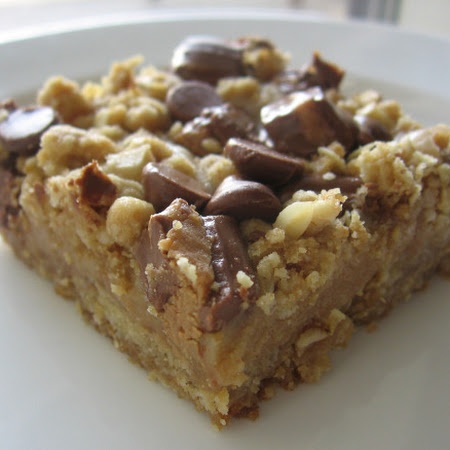
For example, I made these Peanut Butter Oatmeal Dream Bars. The bars look yummy and the recipe easy. But when all was said and done, they didn't meet my expectation. They were just okay (although my kids finished the pan in less than twenty-four hours–but that's nothing new!).
 
I also made this Starbucks Chocolate Cinnamon Bread. While I normally love any baked good from Starbucks, I immediately had an "uh-oh" moment when I pulled the bread out of the oven. The sugary layer on top had made the bread crumbly, and it didn't taste like anything I'd ever eaten at Starbucks.

I always have to wade through several dud recipes before landing upon one that I finally print out and add to my "must keep" binder.

One of my keepers is this Sour Cream Pumpkin Bundt Cake. It's soft, moist, flavorful, and best of all not too hard to make. (In fact, I just made it again last night and it was wonderful! Although my frosting ran all over the place unlike the picture!)

So what's the main lesson I've learned from all my Pinterest recipe-hopping?

Don't be afraid to try new things. Yes, we may end up a few false gems in the mix. But we won't find the real diamonds unless we're willing to try the NEW.

Of course, this lesson can also be applied to books! With so many authors out there, it's easy to stick with the few we know will deliver the kinds of stories we like. Often we're a lot less willing to try a debut author or new-to-us author for fear of what we'll get (as I mentioned in this post: What Makes Me Pick Up the Book of a Debut Author).

But over the past couple of years, I've begun to experiment with a wider variety of reading, different genres and new authors. Part of it has come as a result of trying to stay abreast of what my teens are reading. And the other part is because I've wanted to grow as a writer, to challenge myself to read popular books in order to discover what's made them successful.

In trying new books, I've come across some duds. But I've also discovered some that I've really enjoyed, books I wouldn't have read if I hadn't been flexible or daring.

Every day there are more and more books available. There are more genres, more authors, more choices for readers. And while it's overwhelming to browse through the immense number of books available, it's also an exciting time to have such a wide variety at our fingertips.

We as readers have to take the bold step forward and TRY NEW BOOKS. We can't be afraid and cling only to our tried and true authors. We also can't let the false gems we encounter derail us and keep us from our experimenting, because we never know when we may land upon a diamond in the process.

How about you? Are you brave enough to try new recipes you find on Pinterest or other places online? What about with books? How daring are you with trying new authors?
***********************************************************
Congratulations to Beth Bulow, the winner of my "I Love My Readers 5 Book Giveaway." Thank you to everyone for participating in the giveaway! I loved hearing from so many readers! Stay tuned for another giveaway in the future!

I Love My Readers! 5 Book Giveaway!


By Jody Hedlund, @JodyHedlund

My readers blow me away. Often. Whether through emails, facebook messages, twitter, or elsewhere, I've been extremely blessed with supportive readers.

I, for one, don't take for granted the lovely outpouring of support my readers offer. They're busy people with lots of favorite authors and plenty of books to choose to read these days. So when a reader takes the time to connect with me, I do my best to connect back.

I did a recent post sharing some of the creative ways that readers helped support my recent release, A Noble Groom: 7 Ideas for Crafting Creative Book Reviews.

Just last week, another reader, Monica Bruenjes drew an illustration of the characters in A Noble Groom. Here it is:


Make sure you check out Monica's website for all of her other fantastic illustrations!

Didn't she do a fantastic job?! I was SUPER delighted when she alerted me to her post with the picture she'd drawn with such a wonderful representation of the main characters, especially the little daughter Gretchen getting a pony-ride from the hero and falling asleep on his back. She looks so realistic and adorable.

Even more than the awesome picture, I'm grateful for Monica's support, her initiative to do something like this with my novel, and her willingness to share it.

While all my readers may not be drawing illustrations or doing video reviews, they are still awesome!

So I wanted to send out a short but sweet thank you to all my readers everywhere. Thank you for reading my books, for promoting them, and for encouraging me. 

Yes, I love writing and I'd likely do it even if I was the only reader of my books. But . . . my experience as an author is all that much richer because of YOU and your excitement and enthusiasm over my books!

To show my appreciation to all my wonderful readers, I'm giving away a packet of five books to one lucky winner. Four are recent Bethany House releases from author friends: Tracie Peterson, Carol Cox, Siri Mitchell, and Becky Wade.


The fifth is one choice from any of my books:


To enter the drawing, leave a comment on this post. Receive extra entries for sharing on Pinterest, Facebook, or Twitter (mention in your comment to receive credit). Due to shipping costs this giveaway is valid to U.S. addresses only.

Contest ends June 12 at 10:00 pm (ET), and the winner will be announced on my Thursday, June 13 blog post. Please check back then to see if you won!

Love to you all! So tell me, what's on your reading list for the summer? 

Do Free Ebooks Really Hook New Readers?

*Image Source John Atkinson*

By Jody Hedlund, @JodyHedlund

Over the past couple of years with the rise of ereaders and ebooks, I've noticed an increasing trend in free ebooks. In fact, most online bookstores have a special place readers can go to browse free ebooks.

Usually authors and publishers offer those free ebooks for a limited time with one main rationale: to HOOK the reader. They want the reader to enjoy that book enough to take some kind of action including leaving a good review, talking about the book with others, and most importantly purchasing the author's already published and future books.

Over the past months, I've chatted with other authors and my publisher about the pros and cons of offering free ebooks. Whenever my publisher has offered my books or other Bethany House books for free, we usually see a short spike in the sales of that particular book after it resumes its cost. Apparently by making the higher end of free lists, the book hits the radars of new readers and draws interest.

However, I personally haven't noticed a spike in sales of my other books during a free promotion. Of course, over time the free ebook does hook some new readers (because fans have told me they read one of my books as a result of a free promotion and went on to purchase the others).

But . . . it's very difficult to breakdown how many sales result from such tactics, the same way it would be difficult to tell sales that result from someone reading my book free at the library and then going to purchase my other books.

The bottom line is that whether a reader gets a free ebook, free library read, or even a free ARC or influencer copy from a publisher, some become fans and some do not.

Even though readers can get free books from the library or through a publisher's review program, those kind of books come with strings attached. Obviously a library book must be returned on a deadline. And if a publisher or author gives ARCs or influencer copies, they usually expect the reader to make some promotional efforts as a result.

But when a reader downloads a free ebook, they have no obligations or deadlines. And I think it's the obligation-free aspect of a free ebook that may be troublesome in hooking new readers.

As I've analyzed my own habits regarding free ebooks, here are a few conclusions I've come to:

1. I always read the books I purchase. In fact, I make myself slog through it even if it's not especially engaging. I figure if I paid for it, I need to get my money's worth. This is usually true of ebooks that I purchase for as low as 99 cents, although I am more willing to give up halfway through on lower costing books.

2. I can download a free ebook and easily forget about it. For one thing, it's not physically staring me in the face like a paper book. But also because I didn't have to invest anything in the book, I have no motivation to actually read it. And with so many other books demanding my attention, it's all too easy to let the free books slide to the bottom of the stack that I'll read "some day."

3. I'm more willing to try debut authors if the book is free. While I may not always highly value a free ebook, I'm more apt to give a new author a try when I can read their book for free or at a low cost.

4. When I finally get around to reading a free ebook, the story has to WOW me in order for me to go over and purchase other books by that author. Once again, I have too many other books sitting around (particularly free books on my Kindle!). So if I'm going to actually purchase a book, I REALLY have to like the author.

In conclusion, free books haven't made me stop buying books of authors I love. I continue to do that. I'm not sitting around expecting to get all my books for free now. But free ebooks certainly don't have the hook power over me that publishers and authors hope for. And if that's true of me, I have to think that's true of other readers as well.

What do YOU think of free ebooks? Do free ebooks hook you into taking some kind of action like purchasing other books of an author or leaving a review? Do you value a free ebook as much as one you purchased? 

What Makes a Reader Pick Up a Book By a Debut Author?


By Jody Hedlund, @JodyHedlund

If you're like me, you probably have a handful of tried-and-true authors that you adore. We only have to see their name and we rush out to buy their book. We don't have to look at the back cover blurb or even know what the book is about. We trust that author will deliver.

And if occasionally one of their books starts slow or doesn't necessarily appeal to us, we keep reading those authors anyway. They've proven themselves to us. And with busy lives and limited time, why not stick to authors we already trust and love?

That kind of loyalty is awesome. And I for one appreciate that my readers come back to my books time and again. On CBD.com one of my readers said this in her review: "I always preorder her books and will continue to do so based on the strength of her name on the cover alone." (Emphasis mine)

Established and experienced authors can attract new readers based on strong reviews, the numbers of books written, and loyalty of current fans. But it's tough for debut writers to get noticed.

Not only are debut authors competing in an increasingly crowded marketplace, but they're also trying to gain the attention of readers who may have their night tables stacked high with authors they love or authors who have already made a name for themselves.

Of course some new authors DO get noticed. Some debut authors DO gain readers. I was once a debut author, and I've gained many readers over time. As the saying above implies, people who love to read, are always looking for new books to devour! 

But what are the factors that make a reader willing to take a chance on a debut author? Why does a reader pick up the book of one new author and not another?

Here are just a few of the things that influence whether I pick up a book by a new author (in order from most important influences to least):

1. Word of mouth praise. THIS is the NUMBER ONE factor for me. If I hear numerous people talking about a book and how good it was, I'm likely to go over to an online bookstore and check it out. I'll read the reviews, and if they're largely positive, I'm likely to buy the book at some point.

2. The number of reviews on Amazon or Goodreads. If a book only has 15 reviews and has been released for five months, I'll probably wonder what's wrong with the book that more readers haven't left reviews. It's not too difficult for a debut author to generate the help of friends and family members for those initial reviews. But it's much harder to get reviews beyond that.

So if the book is lacking in reviews, I'll assume that those first reviews are mostly by friends and family. And I won't trust them as much. Whereas if a book has a hundred reviews or more, I'll believe what people are saying and consider buying the book.

3. Traditionally versus self-published. I hate to admit this, but it's true. For debut books, I almost always check if they've gone through a traditional publisher. If a new author has passed through the various "tests" and persevered to make it through the "hoops" of traditional publication, and if agents and editors believe in the story, then I'll be more willing to put out my hard-earned cash on a debut book.

Because let's face it, anyone can throw anything out there nowadays and call it a book. If I know a book has faced the rigors and screening of the traditional publisher route, I'm more likely to give the new author a try (fair or not). (When experienced authors self-publish, that's a completely different story.)

4. A pleasing cover. I know we're not suppose to judge a book by its cover, but if a book cover looks cheesy or cheap, I may assume the quality inside will follow suit. But if a debut book has a stellar cover, if it catches my attention, I might give the book a try.

5. If the book is written by a friend. Yes, I'm more likely to buy a debut book from a friend than a stranger. My problem is that I've made connections with so many wonderful writers, that I'm no longer able to keep up with all the books friends are publishing, and so before purchasing I often have to resort to the above tests even for friends. But I would still say that overall I'm more willing to buy a debut book from a friend¬especially a closer friend.

Now, YOUR turn! What factors influence you the most when deciding to buy the book of a debut author?

The Power of a Reader's Word of Mouth

By Jody Hedlund, @JodyHedlund

Think for a few minutes about the kinds of things that make you want to pick up a book and read it.

Most of the time we read a book because it's by an author we already know and love.

Sometimes a cover might attract us to take a closer look, particularly if we're browsing in a brick-and-mortar store.

But I'm guessing the large majority of us discover books based on word of mouth. The word-of-mouth process usually goes something like this:

We hear someone mention a book, perhaps in passing. We don't really give it much thought, after all we already have plenty of books clamoring for our over-loaded attention.

But interestingly, the next day while scrolling through our Facebook home page, the book pops up again. Someone else exclaims how much they enjoyed the book, enough to stay up into the wee hours of the morning to finish it.

Even though our interest is definitely perked at this point, it will likely take another time or two of "hearing" someone talk about the book (perhaps on twitter or a blog review or seeing it on a friend's shelf on GoodReads).

Finally, after a handful of times we "hear" about the book, we decide that we need to check it out for ourselves. We head to the online reviews, browse through them, and then decide if it's one we'd like to purchase or one we'd like to try out from the library first.

Does the above scenario ring true for you? It's usually my process for finding a new book to read.

All that to say, WORD OF MOUTH plays a pivotal, powerful, and persuasive role in the life and success of a book.

Of course, when an AUTHOR toots her own horn, the noise usually falls on deaf ears. Most people don't trust what an author (or the author's writer friends) say about a book, because obviously they're going to say super nice things even if the book was just okay.

But when a READER offers genuine praise, then people sit up and take notice, particularly when multiple readers are saying the same thing.

I often don't think readers understand the amount of power they hold over the success or failure of a book. Before I became an author, I didn't realize the difference I could make with my recommendations and praise of books. But now that I do, I embrace the challenge with enthusiasm. And with caution, because I realize the power of my words.

The great thing about WORD OF MOUTH promotion is that it's usually fairly quick and easy to do. It doesn't require a huge time commitment or investment of energy.

In fact, here are five simple things we can do to spread the word about a book we loved:

1. Mention the book on Facebook and/or Twitter. Try to be specific about something you liked about the book. Provide the link to the author's website or to an online bookstore.

2. Pin the book cover on Pinterest. Create a "Favorite Books" or "Books I've Read Recently" board. Again, make sure to link the pin to the author's website or a bookstore.

3. Email friends and/or family about the book. Include what you liked and why you think they might enjoy it.

4. Personally tell friends and/or family about the book. In fact, be willing to pass along your copy and encourage them to do the same when they're done.

5. Leave a review on one of the online review sites, preferably more than one place. Copying and pasting your review from one site to another is perfectly okay!

If you think you'd be willing to spread the word about my next release, A Noble Groom (a Christian historical romance), please let me know. I'm currently collecting a list of Influencers who would be willing to help with promotion in exchange for a free advanced copy of the book. I'll be primarily asking Influencers to commit to sharing about the book through word of mouth.

If you'd like to find out more about the book, please check out my Books Page. And if you'd like more information about being an Influencer or to sign up, please email me at: jodyhedlund@jodyhedlund.com or use the email box on my Contact Page.


So, dear readers, what influences YOU the most in the books you choose to read? Is it word of mouth or something else?


Which is the Best Social Media for Connecting With Readers?

 By Jody Hedlund, @JodyHedlund

In this modern internet age, authors have numerous places they can connect with readers. I love the variety of ways that we can interact. I've found that I can relate to readers just about everywhere.

But for those authors who need to limit their social media time, who want to put their scarce time and energy into the most effective place, what would that venue be? Where is the best place to chat with readers?

This may vary from author to author depending upon genre, age of readership, and the author's own dynamics. But here's what I've discovered:

Blogging?

I rarely connect with genre readers through blogging. As Addison Moore pointed out in my post about whether self-published authors should blog, many readers don't have blogs and therefore don't have accounts that allow them to comment.

Blogging has been a way for me to connect primarily with other writers, build friendships, as well as gain a network of supporters. My "team" has helped me spread buzz around the releases of my books.

My blog and website are also an excellent online "home base" where readers can come and find out more about me and my books.

But very few readers leave comments, even on the posts where I ask for reader input.

Twitter?

I connect with more readers on Twitter than I do through blogging. In fact, I've started a column on Tweetdeck titled "Readers." But it's not a very long list. My lists with other writers and industry professionals are all much longer.

Occasionally readers mention my name when they finish my book or post a review. Sometimes readers tweet about my book from Goodreads. But overall, I don't have a large following of readers on Twitter.

Pinterest?

I'm still in love with Pinterest. But I've found that in these early stages of its development, it's still a bit cumbersome for interacting with others. While I've enjoyed creating boards for my books and developing my brand on Pinterest, I don't feel that I get to know readers on a personal level there.

Goodreads?

I really like Goodreads not necessarily as an author, but as a reader. I enjoy being able to keep a record of the books I'm reading. And I also think it's fascinating to read other reviews of books I've finished, especially on books I adore but others don't like. It reminds my thin-skinned writer heart that people won't always enjoy the books I read OR write!

As far as interacting with my fans on Goodreads, I rarely do. I try to keep my author hat off when I'm on Goodreads. Occasionally readers will send me messages or comment on a book I've read. But overall, I try to view Goodreads from the perspective of a reader.

Emails?

I frequently get emails from readers who've read my books and want to share their enthusiasm with me. I absolutely love the one on one connection that an email provides. Of all the modes of communicating, it's probably my favorite, simply because it allows for a longer and more personal exchange.

But we have to make it easy for readers to find our emails. I put mine in my books. And I also have a contact form on my website for easy access.

Facebook?

Of all the social media sites, readers seem to gravitate toward facebook. And even though facebook has lost its effectiveness as a promotional tool (unless you're willing to pay), it's still the best place to engage readers.

It's no wonder. The latest statistics show that Facebook topped one billion users last month.

As frustrating as facebook can be (like the fact that facebook now offers paid promotion not only for Pages but now for personal accounts!), we're stuck with the system. We really can't do much about the frustrations. If we decide to throw in the towel on Facebook or boycott it, we'll only be hurting ourselves.

The fact is, most readers like and use facebook regularly as their main form of social media. I know this to be true from my own readers and also in talking with other authors who have said the same thing.

Readers: Which social media do you like the best for interacting with authors?

Writers: Where do you find that most readers hang out? Have you sensed a trend in a favorite social media?

Author Etiquette 101: How To Support Readers

By Jody Hedlund, @JodyHedlund

I had a recent post for readers: 20 Easy Ways Readers Can Help Promote a Book. As you would imagine, I had a great response to the article from authors. Many of them wanted to share the article on their blogs, websites, and newsletters. And I happily granted permission.
 
However, I also received responses from readers who weren't so enamored by the post. They said there have been all too many times when they've helped promote a book only to have their efforts unappreciated or ignored.

Ideally, readers would like authors to stop by during an interview, say thank you for the tweet about their book, or simply notice the things they do to help promote.

Granted, authors are busy. We have a difficult time keeping up with writing schedules, deadlines, social media, marketing, etc.

But does busyness give an author an excuse not to show appreciation to supportive readers? What comprises good author etiquette? How much interaction should an author have with readers who help promote? Should an author say thank you? And if so, in what situations? Are there times when an author's silence is best?

As always, I don't have all the answers! So I'd love for you to chime in the comments with your thoughts. However, I can share what I've done (or am learning to do).

Here are some simple ways authors can support their readers:

1. When another blogger invites you to GUEST POST or hosts you for an INTERVIEW:

*Make a point of visiting the blog at least once or twice during the course of the day(s). Leave a comment and answer questions. This lets guests know you have visited and care.

*If you won't be able to visit the blog during the day, let the host know you'll be busy but that you'll try to stop by at a later point.

*If you have the chance, post a tweet or facebook comment to your followers letting them know about the guest post/interview. This can potentially increase the traffic and readership of the blogger who is hosting you.

*If possible, put a link to the interview on your blog and/or website as another way to bless the other blogger with more traffic. We want to always be thinking of how we can give back in return for all we've been given.

*After the interview/guest post, send a personal email thanking the blogger.

2. When a reader posts a BLOG REVIEW of your book.

*Set a Google alert to raise awareness of blog reviews (set the alert to your name as well as the title of your books). Ideally if Google worked the way it should, I should receive emails whenever anyone posts about me or my books. But nothing ever works ideally, and thus I probably only get a fraction of the alerts. Nevertheless, some is better than none.

*Try to visit the blog and thank them for taking the time to write the review (ESPECIALLY if the reader contacted you personally to let you know about the review!)

*Keep a running list of the blog reviews someplace on your website. You can see my running lists here. Whether or not anyone ever goes to those blogs to read the reviews, I'm not entirely sure. But by posting the reviews on my website, I let my readers know I appreciated the review enough to highlight it. (And by the way, if I've missed listing your review, please let me know!)

*If the review is unflattering or negative, it's best not to say anything at all or try to defend yourself. You'll only come across looking unprofessional.

3. When a reader TWEETS or makes a FACEBOOK COMMENT about your book:

*Respond back. Plain and simple. Tweets can only be 140 characters. And Facebook comments are short too. There's really no excuse for not taking the time to briefly write back.

*On twitter, I'll occasionally retweet that person's comment to highlight their praise as another way of saying thank you.

4. When a reader reviews the book on an ONLINE REVIEW SITE (like Amazon or Goodreads):

*The online review sites are for readers to share their thoughts with other readers. So it's best for authors not to jump into the fray. I never comment on reviews, not even to "like" them. I want readers to feel safe leaving their honest opinions without worrying if I'm hovering nearby.

*If I see that someone I know has left a review on one of the online review sites (i.e. an Influencer, blog friend, or reader that I've gotten to know), then I will send them a private message thanking them for taking the time to post their review.

Summary: Yes, authors are busy and may not always have the time to keep up. But readers often lead busy lives too. If they can take the time and effort to help promote one of our books, then we can surely make a little bit of time to offer our sincerest thanks. Maybe we won't be able to do all of the above all the time. But we can at least SAY a simple thank you.

Readers, what do you wish authors did better to show their gratitude for your help promoting their books?

Authors, what are some other ways we can make our readers feel appreciated? Is there anything else you've done or seen others do?


For the Love of Reading

 
Due to the Independence Day holiday, I'm taking a break from the usual post. Instead I thought I'd share some of my favorite Pinterest Pins about READING. After all, I wouldn't be writing books if I didn't have a passion for reading!

I hope you're taking some time this summer to foster and renew your love of reading! 


For more reading inspiration, I invite you to head over to my "I Love Reading" board on Pinterest. There you'll find all my favorite pins about reading. Feel free to repin your favorites!

And for those who may have missed seeing the cover of my April 2013 release, here it is!


Now if THIS cover doesn't fuel your desire to read, I don't know what will! ;-) Drool-worthy, isn't it? (You can read more about the book over on Goodreads here.)

Also, for those who'd like to get into a drawing to win a copy of my September 2012 release Unending Devotion, my publisher is giving away 15 copies of my book over on Goodreads as part of their First Reads program (the giveaway ends August 1). You could be one of the first to READ Unending Devotion! Click here to enter the giveaway.


Have a happy holiday weekend! See you back here next week for a regularly scheduled post.

And happy reading! What do you think of my newest cover?! What books are in your to-be-read pile this summer?

20 Easy Ways Readers Can Help Promote a Book

By Jody Hedlund, @JodyHedlund

Dear readers, did you know authors need YOUR help in promoting their books? Yes, they really do!

Many readers already do a superb job promoting the books and authors they love.

Some promote formally by signing up with a publisher’s book review program or with an author who asks for Influencers. (An Influencer is a fancy term for someone who gets a free book for the purpose of helping spread buzz about a new release).

Some readers prefer to help authors on a more informal basis. In fact I’ve met some very sweet readers over the past few years who have book blogs and support authors out of their love for fiction. They’re passionate about what they read and want to share the joy with others.

Whether you help an author formally or informally or both, we appreciate each and every thing our readers do! 

On the other hand, there are many readers who don’t realize just how much authors need their help. Or if they do know, they aren’t really sure what will be most beneficial.

So, how can readers help? There are a zillion different ways! Here are twenty easy but effective things readers can do to spread the buzz about a book:

1. Write a review for an online bookstore. If you’re feeling ambitious, you can even copy and paste that review onto several of your favorite shopping spots.

2. Add the book to your Goodreads shelf. And when you write the review for the online bookstore above, copy and paste it onto Goodreads too.

3. Write a blog review and then invite your followers on Facebook and/or Twitter to come over and hear what you think.

4. While reading the book, post comments on Facebook or Twitter about what you’re reading and what you like about it. On Twitter, you can even use the hashtag #FridayReads (even if it’s not Friday!).

5. When finished reading the book, let your followers know your final thoughts on the book and include a link to the author’s website or book page.

6. Write a review for a print newspaper, magazine, or newsletter.

7. Suggest the book to your book group (if appropriate), whether an online or real life group. Many books have discussion questions available, and many authors are willing to meet with book groups via Skype.

8. After reading the book, give it away as a prize on your blog. Everyone likes the chance to win a free book.

9. Donate your copy of the book to a public, school, or church library, or ask them if they’d be willing to purchase a copy to add to their system.

10. Offer to host the author on your blog. Ask unique and interesting questions that you think your blog readers might enjoy. Be sure to invite your friends and family over to “meet” the author.

11. Start a discussion about the book over on Goodreads in one of your groups. You could even consider asking the author to join you for a Q & A time.

12. If the author is local, invite him or her to speak to your group about the book and writing journey. Offer him or her the opportunity to sign and sell books after the presentation.

13. Pass the book along to all of your family and friends that you think might be interested in reading it. Ask them to pass it along when they’re done.

14. Buy the book as a gift for a holiday, birthday, Mother’s Day, Father’s Day, Valentine’s Day, etc. Books always make great gifts! Ask the author for a personally addressed and signed bookplate that you can affix in the book.

15. Offer to distribute bookmarks, postcards, or other promotional items the author might have available.

16. Take the book with you to public places (like ball games, doctor’s offices, etc.) and be sure to have a spare bookmark to hand out if someone asks about the book.

17. Pin the cover of the book onto Pinterest onto a board you’ve created for your favorite books. Make sure to link back to the author’s website or book page.

18. Take a picture of yourself with the book (and make it creative!). Post that picture onto your blog, Facebook, or Pinterest.

19. Video tape your review of the book. Keep it short, entertaining, and give a summary of what you liked most. Then upload your video onto Youtube.

20. Most importantly, TALK, TALK, TALK about the book. When you’re genuinely excited about the book with others, then they’ll want to check out the book for themselves.

What other ways can readers promote a book they love? I’d love to hear more of your ideas! What have you done or seen done by others?

To tweet this article, please use the following twitter button:

How Much Interaction Should Authors Have With Readers?

Recently, my teen daughter read a YA book that she absolutely loved. After reading the book, she went to the author’s website eager to find more books by that author. While she was browsing the site, she ran across a “contact box.”

She turned to me and said, “Mom, I’d really like to write a note to this author and tell her how much I liked her book. Would that be okay?”

And I was like, “Would that be okay?! Are you kidding! That would be fantastic! Go for it! I always love hearing from readers, and I’m sure she’d be thrilled to get a note from you.”

So my daughter typed her little email, pressed send, and then waited. Yes. She waited. Maybe not literally. But a few days later she said, “Mom, I haven’t heard back from that author yet. Do you think she’ll write back to me?”

Again, I was like, “Will she write back?! Of course she will! I always write back to readers who contact me. Why wouldn’t she write back? Just give her a few days. I'm sure she's just as busy as me.”

Well, you can probably guess where this story is going. Several more days passed and my daughter said, “It’s been a week now. I don’t think that author is going to write me back.”

Of course the dejection in her voice ruffled my mother hen feathers. I immediately wanted to write to that author myself and chew her out a bit. But I didn’t. Instead, I pushed away from my laptop where I’d been working and tried to console my daughter.

As I thought through the incident, I couldn’t keep from asking this question: How much interaction should the modern author have with readers? What’s appropriate? What constitutes too much or too little?

It really boils down to this: What does the modern reader want from the authors whose books they read and love?

Obviously, first and foremost, readers want another story they can fall in love with. My daughter sought out this YA author’s website to find out if she had any more books. If she hadn’t liked the first book, she would have put it down, and that would have been the end of that author’s connection in the life of my daughter.

But because she LOVED the book, she pursued the author further. She took that next step of seeking out more books AND a connection to an author she admired.

In a “one-click-away” social media addicted culture, we can connect with anyone, anywhere, at anytime. And once we initiate communication, we want to be acknowledged. In fact, we often expect a response. Sometimes we even think a lack of response is rude.

So, what’s an author to do? Especially when we’re already busy writing our books, marketing them, and building our platforms?

If we don’t take the time to respond to readers, I highly doubt that will stop them from going out and purchasing our next book. As I said, if they love our stories, that’s the most important thing. Even though my daughter felt slighted by the author, a few days later I heard her mention the book to one of her friends as a “favorite.” I have no doubt my daughter will bug me to buy the next book by this author once it’s released.

Even so, I still think we as writers can be sensitive to our readers. Here are several of my thoughts on how we can do that:

1. If an author doesn’t have the time to write back to readers, then DON'T have a Contact Box. Or at the very least, they could put a note next to the contact box explaining that while they love hearing from readers, they won’t be able to write back. At least the reader will see that up front and not be left wondering what happened.

Let's be honest. If we put a Contact Box on our website or blog, then essentially we're inviting people to connect with us. It's not there simply so that we can collect a file full of compliments about our books that make us feel better about ourselves.

2. Authors should prioritize their interactions. In the plethora of daily communications, if we’re short on time, we may have to decide to forgo chatting on Twitter or Facebook so that we can have the time to interact with our most important customers—our readers. If we’re unable to juggle everything, then we have to decide who is more important in the success of our writing career. For me, that’s readers.

Obviously the super-star, best-selling authors are in a different position than most of the rest of us. They'd likely need to hire an assistant if they wanted to respond to all of their fan mail. However, the large majority of us aren't nearly as overwhelmed by reader emails.

3. The more visible and relatable an author remains the better. Think about what happens when we’re closed off, silent, and unavailable on our social media sites. People might begin to think we’re stuck up, that we think we’re too good to talk to anyone but our closest circles of friends. Such an aura (even if it’s not true) could send out negative vibes and alienate our readers. Why take the risk? Why not remain humble, available, and responsive?

Yes, it takes some time. But, if we’re not prioritizing our interactions with readers on social media, then what’s the point of it all? Isn’t that why we’re on social media in the first place?

So how much interaction do you think authors should have with their readers? Have you ever written to an author and not heard back? How did it make you feel? How has it made you feel when an author has taken the time to respond?

What to Do When You Offend or Disappoint a Reader

There will come a point in time in every writer’s life when the worst happens: You offend a reader.

Lately, I’ve had a few of those completely humbling moments, when I realized that I failed to deliver what was expected and ended up disappointing a reader.

Just last week I was gleefully making my way through some handwritten letters I’d received from readers, basking in their sweet words. And then . . . it happened. I opened a letter and started reading, and with each word my heart began to sink lower and lower, until it was in my shoe. The reader had received a misprinted version of The Doctor’s Lady and was writing to tell me how disappointed she was.

A couple of days later I received an email from a reader regarding The Preacher’s Bride. And this one sent my heart plummeting to my lower extremities again. The reader concluded that I’d treated a particular religious group in the book as “the Satanic anti-Christ figure.” Of course, I’d certainly not intended to do this by any means of the imagination. But I’d obviously really offended this reader, and I felt terrible about it.

Recently I stumbled across the reviews for Loving, the March 27 release of NYT bestselling author Karen Kingsbury. I was shocked to see that out of 245 reviews there were over a hundred ONE STAR reviews. In fact there are more one star reviews than five.

As I browsed through some of the reviews, I cringed. The common theme among most of Kingsbury’s reviews was disappointment. Kingsbury had failed to deliver the kind of story many readers anticipated.

Obviously, I haven’t experienced that kind of wide-scale reader disappointment . . . yet. But, I’m learning that when we put our work out there, when we decide to take that step and call ourselves a professional author, when we ask people to plunk down their hard-earned cash on our product—then we have to expect the reality that we won’t always be able to please all our customers.

As much as we want to make everyone happy, we can’t. It’s not humanly possible.

Most of us realize we’re not perfect. So, we’re not holding our breath expecting perfect reviews or perfect emails all the time.

But, the question I see floating around a lot among various writer loops is, “How do I respond to bad reviews, comment, or emails?”

Here are two of my thoughts:

1. DON'T respond to negative reviews on Amazon, Goodreads, or other online review sites.

Shortly after I was first published, I wondered if I should thank readers if they left a nice review. I eventually decided not to respond on public review sites—for either the good OR the bad. I concluded that the review sites are FOR READERS, not authors. Those who leave a review are doing so because they want to share their enthusiasm or disappointment with OTHER READERS.

In fact, the March Goodreads newsletter for authors said this in regards to responding to reviews:

"Be professional. Reading a bad review of your book is never pleasant, but the best way to respond is to say nothing. Don't comment on it, don't tweet about it, don't acknowledge it. Maybe have a glass of wine (if that's your thing), and try to forget about it.


At Goodreads, history has shown us that responding to negative reviews, even in a very polite manner, can have disastrous effects on an author's reputation and career."

(My sidenote: In fact, if an author tries to leave a response to a review on Goodreads, she’ll get a popup box that cautions against doing so.)

I respect Goodread’s position, and I think it’s one we can adopt across the large range of other reviews sites.

2. DO respond to emails and other personal correspondences.

You are the customer service representative of your writing business (along with all the other author duties!). If someone takes the time to contact you directly (via an email, facebook, twitter, etc), then they deserve the courtesy of a response (unless of course it’s hate mail—in which case ignore, delete, and then go eat chocolate).

In the case of the above example of the reader who had received a misprinted book, I contacted my publisher and asked them to send out a replacement copy of the book, which they're doing free of charge. Then I wrote a letter to the reader apologizing and letting her know the book was on its way.

In the other example of the reader who was upset with my portrayal on the religious sects within The Preacher’s Bride, I again responded that I was sorry to have offended her.

Think about the times when you lodged a complaint with a company about a product. Did you appreciate a quick but kind response that validated your concerns? How would you have felt if you’d been ignored?

I think it’s just good business (and common human decency) to respond to personal concerns/messages that come to us through Twitter, Facebook, or emails.

So what do you think? Do you think authors should respond to online reviews? Why or why not? And do you think authors should respond to personal complaints? Why or why not?

Even Though Free is IN, Don't Forget to Buy Books Too

I’ve noticed lately that “free” seems to be the new “in.”

Of course, as a reader, I like getting free books because I can try new authors I wouldn't normally consider. And besides, who doesn't like getting something free?

As an author, I think offering free books can be a good marketing technique to a degree. Most publishers and authors try to budget in giveaways for a variety of different purposes.

For example, some publishers give free books to reviewers who agree to post an honest review on their blog and with an online bookstore. This helps spread the word about books and can also generate more reviews (and the more reviews a book has, the more 'popular' it looks, even if that's not necessarily true.)

Publishers (and self-published authors) are also testing the waters for giving away e-books to increase the author's exposure. At the release of The Doctor’s Lady in September, my publisher gave away the e-book of my first book for a limited time. When all was said and done, they gave away thousands upon thousands of e-books of The Preacher’s Bride in the span of that month.

Ultimately, their hope (and that of others who give away free books) is that readers will enjoy the free book enough to go out and purchase additional books by that author. Or at the very least, tell others about the book to increase the word-of-mouth promotion.

The question is—does giving away all those free books really work? Does it help an author’s sales on their current release?

The jury is still out for how it’s helped sales on The Doctor’s Lady. My publisher didn’t see a significant boost—yet. But many factors influence the sales of a book during the critical months surrounding its release, which makes it difficult to isolate what really helps and what doesn’t.

Yes, free books are all over the place. At this point, we just don’t know the long term effects this will have on reader buying habits or whether it truly helps an author to build a readership.

However, in all of the book giveaways, let’s not forget ONE important thing: We can’t stop buying books. Writers and readers alike can’t become so enamored with getting free books—either for reviewing, endorsing, on our e-readers, or just because we can—that we forget to actually purchase books.

Most people don’t understand exactly how underpaid the majority of authors really are. Sure, there are the couple dozen authors who are making millions. But the rest of the masses of talented authors are not even making minimum wages on their books.

If we calculate out the months we spend writing, the weeks editing and rewriting, and then all of the time promoting, most authors end up making very little compared to all of the time and effort they put into the entire process.

So . . . at this time of year, at the beginning of the holiday season, I want to encourage us all to remember to buy books. Not only will we be supporting our favorite authors (who truly appreciate it!), but we’ll also be promoting the love of reading (which is something our modern culture desperately needs!).

Here are a few things we can all consider doing this holiday season:

When giving someone a new Kindle (or other e-reader), purchase a couple of e-books for the person. Erika Robuck bought her mom a new Kindle and then bought The Preacher’s Bride as one of the first books her mom could read on the Kindle.

For Christmas parties (either at work, with friends, or at church), consider giving a book for a gift exchange. Catherine Johnson emailed me to ask if I’d be willing to send bookmarks to a Christmas party she’s attending. She’s planning do a short reading from The Doctor’s Lady and then give away a signed copy.

Put books on your own Christmas wish list, particularly of authors that you might not normally purchase.

Buy books as gifts for family and friends and then ask the author if they’d be willing to send you a personally addressed and signed bookplate (sticker) that you can put into the book. (I know most authors would be as happy to do this as I am.)

Buy and donate books to a charity of your choice. I recently donated a copy of each of my books to Judith’s Reading Room (as a result of Brigette Booth’s blog tour stop). Check out Bridgette's blog post for a list of other places you can donate books along with a description of each place.

If you love a book and an author, then one of the best ways to support them—so they can continue to write the stories you love—is to BUY their books!

What do you think? Are there too many free books? Is that inhibiting authors or helping? And have you made a point of buying books to support authors?

Are There More Writers Than Readers?

No doubt about it. There are a LOT of writers these days.

Of course, we have no way to count exactly how many people have taken up writing. But it seems like I continually meet people who are either in the process of writing a book or are interested in doing so. I realize that since I’m an author, people are more likely to confide in me their writing aspirations so that it may only seem like more people are writing.

But still, I’m amazed at the numbers of writers I meet in real life and around cyberland. In part, the growth of the internet has made the writing industry more visible and accessible. People who may have once only considered the idea of writing a book, now find that they have all the information they need for every step of the process.

Additionally, with the growth of e-books and self-publishing, anyone anywhere can publish a book about anything. As the news spreads of the ease of e-publishing and the successful self-publishing stories are circulated, even more writers step forward to enter the brave new world of publishing.

In the meantime, while the numbers of writers is increasing, the numbers of readers is at a steady decline. We don’t need NEA reports to prove that reading is at risk and continues to lose the battle to other forms of entertainment and activities. We only have to look around us at our own diminishing reading habits and those of our family to see the trend. In the digital age, electronic devices (internet, DVDs, video games, etc.) entice would-be readers more than ever before.

In the November issue of RWR (Romance Writers Report), a 2010 report cited various statistics about reader buying habits. Here a just a couple quotes:

• “Over 100 million adults did not buy a single solitary book in 2010.”

• “Domestic net sales of adult mass-market books were down 6.3% in 2010.”

• “While the e-book segment has experienced large growth in the past few years, analysts claim that few new readers have been created—the segment’s growth is due to 'siphoning' off print book readers, and the gains on the digital side are not making up for losses on the print side.”

With the ever-increasing number of writers publishing books (or hoping to) and the ever-decreasing number of readers, what’s the outlook? It appears to me that the supply of books will soon surpass the demand of readers—if it hasn’t already.

So what’s a writer to do in the face of such an outlook?

1. Make sure we know what we’re up against.

While more opportunities are opening up for writers, that also means the publishing pie is being cut into smaller pieces. More of us will get a slice and taste of publication, but our share of profits will likely be less. With all of the competition, we’ll have to accept that even with our best marketing efforts we may hit a ceiling. Even traditionally published authors like myself are facing new challenges with sales.

My agent, Rachelle Gardner, posed a question on her blog, “What if there were no money in writing?” She mentioned that it’s becoming harder for writers to make money as readers are moving toward an attitude of being unwilling to pay much. Therefore, we must indeed ask ourselves how much effort we’re willing to expend on our writing careers if we’re unable to eventually receive the compensation we long for.

2. Don’t discount writers as future readers.

As the writing population grows, a portion of writers will also become our readers. Over the past couple of years, many writers have let me know they’ve read my books as a direct result of getting to know me through social media. Writer Lindsay Harrel said this last week: “Because of your great blog tour, I am currently reading my copy of The Doctor's Lady (and loving it!)! So it at least worked to hook one reader, and I'm sure many more!”

Another writer, Karrie Myton, sent me an email saying this: “Your blog has helped me in countless ways. I like hearing your voice in your writing, but I was afraid to read your fiction. I worried that I wouldn't like it, and that I would lose faith in your writing expertise. I needn't have worried. I started reading The Preacher's Bride last night and struggled to put it down to take care of my kids.”

3. Writers can take the lead in purchasing books.

We need to be careful lest we fall into the trap of thinking that all those readers out there will take care of buying our writing friends’ books, and we won’t need to. The fact is, writers, more than any other group should know how important it is to actually purchase books (as opposed to waiting to get a free copy).

We obviously can’t buy every book of every writer we know. But we can make a point of supporting (aka buying books) as generously as we can—if not for ourselves, then as gifts for people we know.

So what’s your opinion? Do you think we’re moving toward a day when there will be more writers than readers, when the supply will outweigh the demand? What do you think writers can do to weather the changes?
© All the articles in this blog are copyrighted and may not be used without prior written consent from the author. You may quote without permission if you give proper credit and links. Thank you!