Blog

Expect to Work Hard

Occasionally people ask me for the “secret of my success” either in relation to my books or my web presence.

In fact, in a recent interview, Marcy Kennedy of Girls With Pens asked me to share the secret to my social media success. Here was my answer: “There are a lot of factors that have helped me to grow my web presence. If I had to pick the top ingredient—the one thing that has helped me the most—I’d have to say hard work. There’s no easy way to gain a following. It takes dogged determination day after day.”

Michael Hyatt, Chairman of Thomas Nelson Publishers, had a post a couple of weeks ago: “7 Ways Successful Creatives Think Differently than Unsuccessful Ones.” I agreed with all seven points.

But interestingly his point number five was this: Successful creatives work hard.

Hyatt said, “The best creatives are not lazy. They don’t assume that their work is done once the book is written, the speech prepared, or the album recorded. In a real sense, their work has only just begun. They don’t display a spirit of entitlement. Instead, they roll up their sleeves and do the work that lesser creatives are unwilling to do.”

It’s tempting to look at writers with large platforms or best-selling books and think that somehow they had an insider connection, or got exceptionally lucky, or made it big before the market changed, or have a better publisher, or whatever.

If I were to let you glimpse through the screen of my laptop into my home so that you could watch me in action, you wouldn’t see any minions running around doing my work for me. And I don’t have super human powers.

No, instead you would see me sitting with my hands on the keyboard working hard, day after day. Over the past several years I’ve literally spent every spare moment pouring my energy into my books and into building a web presence.

Hard work has indeed been the primary ingredient in helping me climb forward in my writing career. There are no shortcuts. No easy paths. And anyone who thinks so is terribly deluded.

Whether we’re working to complete a novel, or find an agent, or land a book contract, or to find a way to market our self-published book—there aren’t any simple ways to find success.

As I’ve watched the market change over the past several years, I’ve tried to make sense of what’s happening. More writers than ever before are fulfilling the dream of publication by self-publishing. Even traditional publishers seem to be spreading themselves broader—having a wider base of authors with small to mediocre sales rather than a narrow base of big sellers.

I’m seeing that most authors (particularly in the CBA market) are ending up getting lost in that wide pool of mediocre sales. I know authors who feel lucky to sell 5000 books. Recently agent Steve Laube mentioned in his post "What Are Average Book Sales" that 10,000 sales is fairly typical for a  MAJOR publisher. For self-publishing, most writers can expect to sell even less.

Let’s face it, if we work hard enough to finally fulfill the dream of publication (whether through self or traditional publication), most of us will struggle to sell our books—even our really good, well-written books.

I’m not saying all of this to be a naysayer. Rather, I’m pointing out that NOW more than ever before, writers need to expect to work hard if they want to rise above average.

Maybe some writers will be completely satisfied with seeing their book in print—regardless of the sales. Maybe some will find happiness in knowing that readers are enjoying their books—no matter the numbers.

Everyone defines personal success differently. But let’s be honest, after spending months pouring our hearts and souls into our stories, most of us want our books to sell well. We want them to succeed. We don’t want to get lost in the millions of books out there.

The bottom line for me is hard work. There’s nothing magical about it. We just have to roll up our sleeves, get our hands dirty, and do what needs to be done. Digging for a successful writing career is not for the faint of heart.

Do you agree with my opinion? Can hard work really put you ahead in today’s market? Or do you think that other factors are more important?

***************************************************************
Here's where I'm at in my blog tour! Make sure to swing by!

Friday 9/30: I'm stopping by Diane Estrella's blog and sharing what 5 items I could NOT leave behind if I went on a trip like Priscilla in The Doctor's Lady! Plus I'm giving away a signed book!

Making Memorable Minor Characters

Over the past couple of weeks I’ve been reading the classic book Ginger Pye with my children. It’s a Newbery Medal winner, written by Eleanor Estes in 1950. Of course there are some dated fiction techniques, things that we modern writers can’t emulate if we hope to have a publishable book.

But one thing that Estes does really well is that she makes her minor characters memorable. As the story unfolded, I couldn’t keep from studying the brilliant way she handled those ancillaries.

So often writers have the tendency to put a lot of attention and care into shaping major characters. And we neglect our minors who then end up resembling cardboard cutouts. At the opposite extreme, we can try too hard to bring our minors to life and allow them to take over the story altogether.

How can we find a balance when creating our secondary characters? Here are just a few techniques I use:

1. Find a unique name.  

In Ginger Pye, Estes uses names like Uncle Bennie (for a 3 year old child who happens to be the uncle to the hero & heroine), Sam Doody, and Mrs. Speedy. The names aren’t overdone, but they’re still unique enough that combined with other elements can help set the characters apart.

In The Doctor’s Lady, one of my favorite minor characters is named Black Squire. What initial impression does Black Squire create? Does he sound like a good guy or bad guy? Names can evoke an initial impression, that may or may not be true. But they help solidify the character in our reader’s mind.

2. Give them tags. 

In Ginger Pye, Sam Doody’s tag is that he’s really tall. Estes describes him by saying, “Every time any little boy or girl met him they always asked him how the air was up there.” And later in the book, when Sam Doody is helping to look for the stolen puppy, he promises to look over all the tall fences for the dog. The tallness tag helps to make Sam Doody memorable whenever he appears. We aren’t left wondering who he was.

Tags are unique descriptions that we use almost every time that person shows up on the stage. And when planning our minor characters tags, we should search beyond the cliché and ordinary for actions, speech patterns, characteristics, physical descriptions that identify the character.

3. Place them on stage strategically.

In Ginger Pye, Estes skillfully plants Uncle Bennie (the blankie-loving three-year-old) at various points in the book. At the end, he’s the character who helps find the missing dog. He’s placed in the story with his squeaky cart in such a way that when he finds the dog it makes logical sense.

When our minor characters show up on stage, they need to serve a purpose within the scene in some way in the short term, but we also need to keep the long term vision for why they’re there. In what ways are they helping to bring about the conclusion of the story?

4. Give them levels of importance. 

We’ll have some minor characters that may only make an appearance once or twice and won’t be worth the time to describe. And then we’ll have other minor characters that we can use for a variety of purposes.

Before adding a new minor character, I try to evaluate if another character who is already on the stage can do the “job” first. When we have too many miscellaneous people standing around, they can clutter up and detract from what’s happening. The fewer the characters, the more memorable we can make each one.

The key is finding a way, like Estes did, to imprint an image of our secondary characters onto reader minds that’s clear and memorable, but not more vibrant than our hero and heroines.

How about you? How memorable are you making your minor characters? What is one of the most memorable minor characters you’ve read about lately? What made that character stand out?

**********************************************************
Don't miss these blog tour stops! And a chance to WIN my new book!

Wednesday 9/28: Kathi Oram Peterson is reviewing my book and giving away a copy on her blog!

Wednesday 9/28: I'm over on Writer Interrupted chatting about how I handle all the many interruptions in my writing career.

The WINNER of my To Be a Trailblazer Contest is posted here! Thanks to everyone for participating and making the contest such a fun event!

The Emotional Roller Coaster Ride of a Book Release

For the past couple of months I’ve been on the roller coaster ride known as a “Book Launch” with my second published book, The Doctor’s Lady.

Recently blogging friend Caroline Starr Rose asked me if I’d share my experience with my book release. Caroline’s first book, May B, a middle grade historical novel, releases in January of 2012. She’ll soon jump on the “Book Launch” roller coaster and join the wild ride.

Of course, each author’s experience on the “Book Launch” roller coaster will vary widely. Some of us may throw our hands up in the air, scream with glee, and ride with abandon. Others of us may end up puking our guts out and screaming in frustration.

Here's a break down of what the release experience has been like for me with both of my books. (But remember, this is my experience and yours may look very different!)

Several months before the release:

About three months before launch date, I begin to plot my promotion. I strategically plan events, giveaways, and special posts. I brainstorm on my own as well as with my publisher’s marketing department,  and I begin to narrow down what I’d like to do (i.e. blog tour, book trailer, etc.).

This is usually an easy-going time. The ride is just beginning, and it’s a slow uphill climb. No major stress yet.

One month before the release:

Four weeks before the release date, the ride starts to pick up speed. I get busier as I implement some of the things I’ve been planning. For The Doctor’s Lady, I had a big book trailer kickoff. Then I started doing weekly trivia questions accompanied by book giveaways. I put a countdown widget into my sidebar. And I hoped to generate some excitement about the book.

In the process of getting others excited, of course I begin to get excited! My expectations are high, and I’m hit with the reality that “Wow, I have a book releasing!” and “This is a dream come true!”

Two weeks before the release:

A couple of weeks before release, readers begin to get their hands on the book. Early reviewers and influencers send me tweets or messages that their copies have arrived.

That’s the first stressful dip in the roller coaster. I can’t help worrying what people will think. For The Doctor’s Lady I had an especially migraine-inducing weekend wondering if readers would like the book as well as my first. Worries and doubts attack me. What if I bombed it? What if someone gives me a poor review right away?

One week before the release:

Friends and supporters begin to report back to me their thoughts on the book, and I pass their tests. At least so they say. Of course, I tell myself that none of them are going to be completely honest with me since they don’t want to hurt my feelings with any parts of the story they didn’t like. Nevertheless, I gobble up the praise like it’s rich chocolate.

Once again, I’m climbing back up. And I’m gearing up for more promotional work.

Release day:

Even though some authors say release day is anti-climatic, I really try to make it a special occasion and am still optimistic. This year a fellow blogger Jaime Wright held the big kick-off for release day and the start of my blog tour. And then the following day I had a party post celebrating the release.

I was nervous that people wouldn't care as much about my second book's release, hoped people would join the parties, and was relieved and grateful when the parties didn't flop!

One week after release day:

It’s at this time, that most authors are beginning to get a true picture of how their book is being received by readers. Often we're checking our Amazon reviews and rankings, and we’ll be able to get an overall pattern of whether readers are enjoying it or not. This can be a letdown if readers don’t like the book as well as we’d hoped. Maybe we get some less-than-stellar reviews. Maybe there's a lot less attention or fanfare than we expected. Maybe we even face silence, almost as if no one really cares.

Fortunately for me, it’s been a positive time. I usually begin to get emails, tweets, and facebook comments from genre readers letting me know they’ve liked my book. Whew! (Thank you everyone!)

Two weeks to one month after the release:

The hard work of promoting begins to take its toll. I’ve found that it’s difficult to keep up with all of the communication and administrative details that go in to the promotion (i.e. sending out giveaway books, updating my website, finishing interviews, etc.).

Even though it’s a busy and stressful time, the weeks following my book’s release have continued to be a time of connecting with readers who enjoy my books which is one of my favorite parts about the process.

Several months after the release:

One of the hardest things is not knowing how well your book is selling. Sure I can ask my publisher for statistics. But those early numbers are never completely accurate (due to returns). So for several months after the release, no one really knows for certain how well the book is going to sell.

When I finally did ask my publisher how sales were going on my first book, I was a bit disappointed that it hadn’t hit the million mark. Okay, so not really. But I did have my expectations too high. And while my book sold well for a debut author, I realized I still have room to grow.

So that’s been my roller coaster experience!

What about you? For published authors, what about your “Book Launch” ride was different from mine? And for pre-published, what are you least looking forward to about the book launch roller coaster?

*************************************************************
Make sure you check out these blog tour stops. Book GIVEAWAYS galore!

Monday 9/26: I'm guest posting on Preslaysa Williams blog: 8 Tips for Organizing Writing Time.

Monday 9/26: If you'd like to know how I'd respond to finding a purple polka-dotted monster in my kitchen one morning, then head over to the Book Loft!

Tuesday 9/27: I'm visiting with Dawn Alexander on her blog.

Tuesday 9/27: I'll be chatting with Cyndi Tefft on her blog and sharing where I'd buy land if I could!

Enter the Be A Trailblazer Contest!


Share on Twitter!Share on Facebook!

6 Ways to Make More Time for Blogging & Writing

As a homeschooling mom of five children, I pour out my heart and soul into my children each day. After teaching at home for close to ten years, I’ve gradually realized it’s not healthy for me or even good for my children if I continually focus all my time and energy completely on them.

The fact is when we give of ourselves day-in and day-out, always pouring out but never filling up, we eventually find ourselves drained, going through the motions, and maybe even ready to give up. Yes, the role of motherhood (and fatherhood!) entails sacrifice at the very core. We would gladly and willingly lay down our lives for our children.

However, we need to find ways to fill ourselves back up. We can’t keep on giving when there’s nothing left. Our children and spouses can see when we’re frazzled and empty. They feel the effects of it. Not only do we suffer for our burnout, they do too.

We need to take some time to rejuvenate, recharge, and refresh so that we have what it takes to keep on going for the long haul. Of course there are countless ways to fill ourselves back up (exercising, gardening, baking, sewing, etc.). But over the years, I’ve learned that for me, writing is one of the best ways I can refuel.

In fact, over the past five years I’ve completed four full-length novels. The first book The Preacher’s Bride released last fall 2010 (through Bethany House Publishers). Another book, The Doctor’s Lady just released this month. And I'm currently doing in-house editing on the book that will release next year.

One of the questions I’m asked the most is, “How do you find time to write AND homeschool five children? How do you balance everything?”

I have to admit, it’s not easy to juggle the growing responsibilities of published author life and homeschooling. But . . . writing and blogging help fill up my tank. The creative process of writing brings me renewed energy.

Writing is a gift, an outlet, a way to connect with others in a similar situation, a way to pull thoughts together, an opportunity to minister to others, encourage, and uplift. Ultimately, writing and blogging can be so much more than a public journal—they can be a way to bless others.

But how do we make time to write and blog with all of the other demands on our time?

Here are six techniques I use to juggle writing/blogging and all my other responsibilities:

1. Schedule writing time. We need to pencil into our daily planner our writing time the same way we schedule subjects into a school day. I block out a little bit of time in the morning before my family awakens. I also carve out time in the afternoons when I’m done with all my teaching.

2. Prioritize our activities. We can’t do everything, even the really worthwhile activities. When we fill our lives so full of going here and there, we risk losing the creativity that comes from “down time.” We need those hours, even days, when we have the freedom to be home and just create. (And quite frankly, our kids need to be “bored” too, because boredom breeds creativity.)

3. Don’t wait for the perfect moment. Otherwise we won’t ever write. My afternoon writing time begins after my kids are done with school, when they’re noisy, energetic, and just being kids. That means my writing time is often full of interruptions and chaos. But I write anyway! (And use headphones!)

4. Plan alone, extended and uninterrupted writing for once a week, if possible. Because of the less than ideal writing conditions the rest of the week, I make a point of taking extended writing time on the weekends or during an evening. Extended time allows us critical focused alone time.

5. Get your family behind your writing. Even though my afternoons are less-than-ideal for writing, I still try to teach my children to respect my writing time. When I take it seriously, they’re more apt to follow suit. If we explain to our husbands the importance of refueling ourselves, we can enlist their support as well.

6. Eradicate the guilt. Realize that when we’re pursuing something we love, we’re modeling to our children that they too can pursue their passions, and that learning, being creative, and expressing ourselves never ends.

What about you? Are you taking the time to refuel and refresh yourself on a regular basis? Do you ever feel guilty for spending time doing things you love?

*I originally wrote this post for Jamie Martin at Simple Homeschool blog.

*************************************************************
Don't miss these two blog tour stops! I'm giving away signed copies of my book at both places!

Friday 9/23: I'm revealing my must-have road trip item on Lisa Bartelt's blog! I'm sure you're dying to know what I take with me everywhere! *wink*

Friday 9/23: On Gina Conroy's blog, I'm sharing how I got my first real "writing break."

Don't forget to enter my BE A TRAILBLAZER CONTEST! Only a few days left!


Enter the Be A Trailblazer Contest!


Share on Twitter!Share on Facebook!

Getting Feedback That Makes You Want to Cry

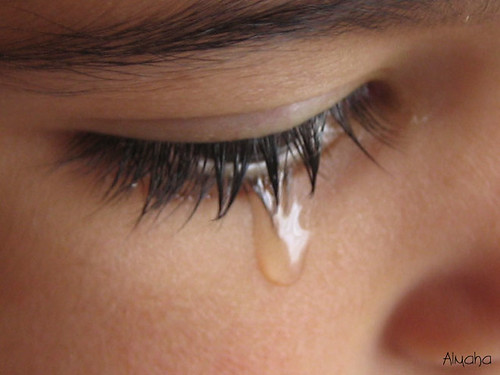
Tear!Last week I got rewrites back from my publisher for my third book (releasing in 2012). I thought getting the substantive edits (aka macro edits) would get easier with each book, that I’d develop a thick skin, that I’d be able to handle the feedback without breaking down.

Well, I was wrong.

I opened the document from my editor a couple of hours before our scheduled phone call wanting to prepare myself for our conversation. And as I read through the overview notes (two pages single spaced), my heart plummeted lower and lower with each new problem she pointed out.

Shock, despair, and denial overwhelmed me.

I laid my head in my hands and wanted to weep with the discouragement of seeing all of the many, many issues that I would need to address. Here are just a few of my editor’s comments:

• Readers had a hard time sympathizing with your heroine. Her character arc needs reworking to make her more likeable.

• Your hero comes off a bit weak at times. We’d like to see him more confident, determined, and forceful in character.

• Your romance shows some emotional and character attraction and that is good, but it pushes the limits on sensuality.

Of course, I had to pull myself together for the phone call. I had to gain perspective and a modicum of acceptance before the call. I couldn’t answer the phone and burst into tears.

Fortunately, I have the kind of relationship with my agent where I can easily shoot her an email, voice my truest, deepest feelings, and I know that she’ll listen but then also advise me on the wisest course of action. She was able to calm me down. And I was able to handle the call with my editor gracefully.

What am I learning from this experience? Here are just a few things:

1. It’s perfectly normal for us to get discouraged when we get feedback.

My agent told me this in her email: “It's normal to feel like crying! If that's the way you feel, just allow it for a day or two.” She went on to share about other authors who have gone through the exact same experience with their rewrites on the 10th or even 20th book in order to show that it’s not just me.

2. We might fall in love with our books. But that doesn’t mean everyone else will.

I admit, I absolutely fall in love with my first drafts. Every single one. I think the passion is what drives my story and love of writing. But, I’m learning that my editors won’t squeal with delight and rush to congratulate me on my masterpiece. They’re trained to look for problems. In fact, their radars are tuned to find as many issues as possible.

3. Sometimes we need to lower our expectations or develop more realistic ones.

My agent suggested that perhaps I need to re-evaluate my expectations. She said: "Maybe you were thinking that after the first book or two, you'd deliver books and they'd go, 'Fabulous! Perfect!' and hardly have any editing for you.” And for some publishing houses, maybe that’s true. But my publisher wants to keep pushing me to be better, to keep growing, and to make every book better for my readership.

4. Cultivate humility and a teachable attitude.

Once again, my wise agent told me this: Stop thinking, "When will I ever please them?" Instead think, "I've written the best book I can, and now I look forward to some feedback that will help me make it even better." Easier said than done. But ultimately don’t we all want to put THE best book possible out there? That means we have to take ourselves off the pedestal and admit we have room to grow.

5. In the end, trust your editor/publisher more than you trust yourself.

As I’ve spent the past week reading through my manuscript and evaluating their feedback, I’ve realized they’re spot on with almost every issue. My heroine was coming across abrasive in spots. I could do more to make my hero stronger, especially earlier in the book. And yes, I really did need to tone down some of my sensual elements so that the majority of Bethany House readers will enjoy and appreciate the book.

My Summary: Whether it’s hard feedback from a critique partner, an agent, contest judge, or in-house editor, we usually can’t make decisions about our feedback during the initial sting. We need to give it some time, perhaps talk with friends who understand, and then come back to the suggestions with objective and humble eyes.

What about you? Have you ever gotten feedback that’s made you want to cry? How do you handle difficult feedback?

*********************************************************************
Mid-week blog tour stops! Visit each one for a chance to WIN my new book!

Wednesday 9/21: On Laura Davis's blog I'm sharing how I stumbled upon the idea for the true life-story of Narcissa Whitman.

Wednesday 9/21: I'm visiting with Erika Robuk on her blog and sharing more about the writing of The Doctor's Lady!

Thursday 9/22:  I'm guest posting on Jami Gold's blog and talking about whether religion in books is taboo or terrific.

Don't forget to enter my BE A TRAILBLAZER CONTEST!

Enter the Be A Trailblazer Contest!


Share on Twitter!Share on Facebook!

How to Avoid Over-Promoting & Under-Promoting Our Books

Most authors are coming to terms with the undeniable fact that in order to make our books stand out, we have to promote them.

With the millions of books competing for reader’s attention, authors (traditionally & self-published alike) must make concerted efforts to let readers know about their books. Otherwise, our books will just get lost in the shuffle.

But how much promotion is necessary? If we promote too much we risk being seen as obnoxious. And if we don’t promote enough, we risk getting lost in the crowd of other voices.

If you haven’t figured out by now, I’m in the middle of promoting my newest release, The Doctor’s Lady. Some days, I can’t help but wonder, am I promoting TOO much? TOO little? Or Just enough?

It’s not always easy to tell.

My critique partner, Keli Gwyn, will be going through the promoting experience in July 2012 when her debut novel, A Bride Opens Shop is El Dorado, California, is released by Barbour Publishing. Keli told me she's been watching my efforts with interest and asked if I'd share my tips for knowing how much/how often to promote my book and the giveaway I'm running.

In light of Keli’s question and my own struggle to learn to find a balance in the effort to promote my books, here are several things I’m learning:

1. We need to make it easy for our friends and followers to share the news about our books.

The bottom line is that promotion is always easier when our friends and followers join in the effort—especially willingly, without arm twisting. If we’ve already worked hard at building a team (or tribe), those friends will likely come to us and ask us how they can help, rather than us having to run around begging people for assistance.

Of course, it goes without saying (but I’m obviously saying it anyway!) that we have to give our friends the kind of book they can be proud to promote. We don’t want to put them in a position where they have to lie about the quality of our book and essentially put their reputations on the line.

We can take it a step further by giving them things they can actually share–like news about contests, giveaways, or relevant blog posts, fun interviews, etc. And nowadays, sharing buttons (like the ones that I have below) are a nice touch for making the sharing easier.

2. Yes, social media is about socializing. But we can’t sit back and do nothing at all.

I think most authors (including myself) are finally catching on to that concept that we need to use social media to socialize (rather than as a billboard).

However, I’ve seen authors with new releases do very little to almost nothing to share the news of their books. In some ways, it almost seems like we’ve become paranoid about using twitter, facebook, or our blogs for sharing any book news at all for fear of spamming our followers.

But I think we can (and should) be responsible for sharing important information in moderation. If we open our twitter page and see mostly tweets about our book, then we’re likely going overboard. But if we share such information interspersed with other genuine interactions, then we’re hopefully sharing in a way that won’t offend most followers.

3. Look for ways to promote others in the process of your self-promotion.

During my blog tour, I’ve taken the approach of wanting to promote the blogs who are hosting me. I really do want each person to be blessed as a result of participating in the tour. So, when I take the time to mention their posts on my blog and on twitter, and facebook, I’m hoping they can get a little extra traffic that day, perhaps gain a few new followers, or increase their name and web presence just a little.

When people send me pictures, I try to post them on facebook or twitter so that I can spotlight that person, publicly thank them, and draw attention to them.

My Summary: Ultimately, we have to promote our books and that means talking about them. But through it all we can be on the lookout for ways to move the focus off us and onto others. And if we start to get the internal feeling that we're over-promoting my book, we can move a step back and take a break from it for a short time.

What’s your opinion? In what ways do authors over-promote? And have you seen authors who haven’t done enough promotion? Is it possible to find a balance?

*********************************************************************
No blog tour stops on Monday! But don't miss these two on Tuesday!

Tuesday 9/20: I'm visiting with Katie McCurdy on her blog and sharing my favorite scene from The Doctor's Lady and what was the hardest to write. (AND giving away a book!)

Tuesday 9/20:
I'm delighted to have a spotlight on Mary Bailey's blog where she'll be reviewing and giving away a copy of The Doctor's Lady.


Don't forget to enter my BE A TRAILBLAZER CONTEST! Only 1 week left!


Enter the Be A Trailblazer Contest!


Share on Twitter!Share on Facebook!

One Thing We Can Do To Help Us Write Every Day

Lately I’ve been swamped with a to-do list that’s a mile long. I’m learning that the time surrounding the release of a book is always an extra busy time. While I’m really enjoying my blog tour for The Doctor’s Lady, it’s been a lot more work than I anticipated. There are also a hundred and one other marketing details that need attention every day.

In addition to my writing career moving into full speed, my personal life is hectic too. School has started. I’m busy running my kids to all of their activities. And I’m also helping one of my family members through a difficult time.

On more than one occasion during this stressful time, I’ve been tempted to put aside my WIP (work in progress). I’m about a quarter of the way into the book (25K) and have wondered if I need to quit for a few weeks until things settle down and life becomes more manageable.

I fully realize there are times in our lives when we need to lay down our writing. I’ve been there. In fact, as most of you know, I completely stopped writing for quite a number of years when I was busy having babies.

But now that I’m in middle of a full-fledged commitment to a writing career, I’ve had to evaluate more carefully my writing schedule.

The bottom line is that I’ll always be busy. If I’m not marketing one book, I’ll likely be doing rewrites on another. Or researching one. Or writing up a synopsis. Or filling out a publicity questionnaire. Or preparing for a speaking engagement. Or writing up blog posts. Or whatever.

When is busyness a valid excuse for setting aside our writing and our WIPs? And when is it just that—an excuse?

During this stressful past month, I haven’t always managed to meet my weekly goal of 6000 words. But I’ve kept very close. I’ve tried to write most days. And here’s the one thing that’s helped me most, the one thing I do every day that helps me to keep writing:

I sit down and make myself do it.

Not too profound, is it?

But that’s my secret. Every day, even though there are a thousand other things that demand my attention, or things I could be doing, emails to answer, tweets to respond to, blog tour stops to visit, etc., etc., etc., I ignore them. For just a little while.

And I simply write.

I turn off my email notification bell. I close up twitter. I put on my headphones and turn on Pandora. And I open my manuscript and make myself write . . . Even though I’m stressed about everything else I need to do. Even though I really want to finish my mile-long to-do list before I write.

I let everything else fall by the wayside. Sure my mind is still cluttered. My life isn’t neat and tidy. It’s not ideal. But I take what I’ve got and I make the most of it.

Because, really, what good will come of all that other writerly stuff I’m doing, all that social media, all the promoting, IF I don’t keep writing my books? Writing has to stay THE priority amidst all of the other writing career demands.

So each day I stick to my commitment as best I can.

Because that’s how we write one page. One page becomes two. Then the next day three. Then four. Until eventually we have a completed book in front of us, and we’re amazed at how far we’ve come.

And no, writing through the mundane busyness of life doesn’t stifle my creativity. In fact, once I actually sit down and force myself to pound away at the keyboard, I find that the writing and the story brings me fresh energy and excitement and passion. (Not every day!) But overall, the creative process is something that rejuvenates me.

What about you? Have you been making too many excuses lately for why you’re not writing? Do you just need to sit down and do it?

*********************************************************************
Here are a few more stops in my blog tour you won't want to miss! (And of course, WIN my book!)

Friday 9/16: Come find out on Carol Garvin's blog what meal I would take with me if I knew I was going to be stranded on a deserted island for a month!

Friday 9/16: On Rel Mollet's blog I share 5 things I can't live without and the most interesting place I've been!

Saturday 9/17:  Holly Smith on her blog asks me to reveal how I find ideas for my blog posts!

Don't forget to enter my BE A TRAILBLAZER CONTEST!

Enter the Be A Trailblazer Contest!


Share on Twitter!Share on Facebook!

7 Ways to Develop Dazzling Dialog

Oxygen

One of my favorite things to write is dialog.

In comparing fiction-writing techniques to the human body, I equate plot with the brain, character development to the heart, and exposition (narration, backstory, description, etc.) to the unique way physical bodies are put together.

But what about dialog? Where does it fit? And how important is it?

In my opinion, dialog is the breath that brings the story to life. At times it whispers. Other times it shouts. But ultimately it is the oxygen that makes the difference between a story that is vibrant and alive and one that needs CPR.

I don’t claim to be an expert in writing dialog. But I can share a few of the things I consciously work on while I’m writing my stories:

1. Give each character unique ways of speaking. As I plan out characters, I try to give them each varying and unique ways of talking. We can give characters a soft-spoken tone, demanding, loud, negative, humorous, snarky, complaining, etc. Our goal is for readers to be able to identify who is speaking without having to use excessive numbers of dialog tags (said, replied, etc.). (And as a side note: I rarely use anything but “said” when I need to identify who is speaking.)

2. Story dialog is always bigger and better than real life conversations. Let’s face it. The way we talk in real life is boring. We can’t tape-record what we hear and translate it verbatim onto paper. Instead, like every other aspect of fiction, dialog is well—fiction. We have to make it more colorful, alive, interesting, more heart-wrenching, or more funny than anything we’d ever really hear.

3. In writing dialog, less is more. The days of characters going on and on for lines and lines of dialog is long over. In fact, we’ve entered the day and age when readers tend to skim anything that goes longer than a few sentences. When I glance at a page of my WIP, I check for paragraphs that are too bulky and then find a way to split them up.

4. Weave in dialects and time period speech sparingly. As a historical writer, I won’t ever be able to properly portray the speech patterns of long ago. Even if I could, it would bog down the dialog for modern readers. So instead of trying to replicate dialects and historical nuances, I generally try to give a flavor of the speech by sprinkling in phrases or words that I’ve carefully selected—ones that hopefully won’t cause readers to stumble.

5. Use it to help the story unfold naturally. We can’t get lazy and toss exposition-type information into dialog that should be woven in elsewhere. Yes, sometimes it’s hard to figure out where and how to seamlessly weave in story details. But dialog should always flow naturally within the story that’s happening around it. Dialog is not a dumping ground nor should it take over the story. Instead, it’s the breath that flows through the body that’s already there.

6. Vary the rhythm. When I’m writing a fast-paced, high-energy scene, I try to make my dialog follow suit—shorter and choppier sentences, a brisker exchange between characters, and much less exposition. But when I’m writing slower scenes, I can make my dialog slightly more flowing and longer. Likewise, when I don’t have any dialog for several paragraphs, I try to have my characters say something—even if it’s just to speak a thought outloud.

7. Develop tension through what’s said AND what’s left unsaid. I always look for ways I can cause increased conflict in the things my characters say to one another or in what they don’t say, the misunderstandings, the lies, the hurt, etc.

Those are just a few of the ways I work at making my dialog dazzle!

P.S. I had no idea when I wrote this post over the past weekend that dialog would be the topic of the week! Here are two other great posts about dialog: 5 Basics About Dialog You Need to Know by Girls With Pens and Say What? Writing Believable Dialog by Megan DiMaria.

What about you? Is dialog important to you in bringing a story to life? Have you ever read a good story but the dialog fell flat? What else can authors do to improve the dialog in their stories?

*********************************************************************
Here are a couple of the mid-week blog tour stops! You can WIN my book at both places!

Wednesday 9/14:  Patricia Woodside asks me about the sensuality in my writing and what kind of feedback I'm getting about it. Check out my answer on her blog!

Thursday 9/15: I'm sharing more tips on writing realistic but readable historical dialog with Marcy Kennedy at Girls With Pens blog.

Don't forget to enter my BE A TRAILBLAZER CONTEST!

Enter the Be A Trailblazer Contest!


Share on Twitter!Share on Facebook!

What Is the Best Way for Authors to Get Noticed on the Internet?

Picture courtesy of Sarah Forgrave! Thanks, Sarah!

My Amazon page for The Doctor’s Lady says this at the top: The Doctor's Lady and over 950,000 other books are available for Amazon Kindle.

950,000 books available on Kindle? I mean think about it. My book is just ONE out of nine hundred and fifty thousand currently available.

Yikes! The numbers of writers and books seems to be constantly growing. And if the numbers are increasing, how can writers ever hope to stand out amidst SO much competition? Is there any hope?

Most of us are coming to terms with the fact that modern authors need to develop a web presence in order to help our books stand out. But even when we make an effort, it’s easy to get lost in the crowd of all the other writers who are jumping onto the social media bandwagon.

Recently, @ellebethmiller asked me a question on Twitter: “What is the best way for an author to get noticed on the internet? There are so many options . . . it’s overwhelming.”

What is the best way to get noticed on the internet? What social media sites can help the most? And will the social media efforts really pay off?

I’ll tackle the questions and give you my opinions based on my experience so far. But make sure you chime in the comments with your thoughts.

What is the best way to get noticed on the internet? 

First, the most important aspect is to use social media to SOCIALIZE. And second, the socializing must be in a GENUINE, AUTHENTIC, and FRIENDLY way.

And no, social media isn’t a high school popularity contest. This isn’t about how much attention we can get, or how famous we can become, or how many friends we can accumulate.

Rather, we can approach social media with the goal of blessing others. We can take the focus off ourselves, stay humble, and look at how we can help, encourage, inspire, and pay the love forward to those we come into contact with. In doing so, others will begin to appreciate and respect our presence.

At the same time, our efforts must be consistent. We need to move outside of our comfort zone and meet new people. It WILL take a great deal of effort to regularly and genuinely interact.

What social media sites can help the most?

I don’t’ believe Twitter and Facebook alone are enough to build a vibrant web presence. They’re both great ways to chit-chat and begin to form relationships. But short comments are not enough to solidify friendships.

I also don’t think having a standout, knock-em dead website is enough either. While a website is a necessity for every author, it’s not designed for the back and forth exchange that people long for.

Of all the social media sites, I believe that my blog has helped me the most in standing out. Our blogs can be our home bases for socializing. We can engage people by sharing issues we're passionate about. But we need to do that sharing in ways that solicit interest, inspire, educate, and encourage, etc.

And yet, even if we have THE best content ever written, we still have to work at promoting our posts. That might mean visiting, commenting, and mingling with other bloggers (especially at the beginning). We can also share links to our posts on Twitter or Facebook. And if people appreciate and enjoy our blogs, they’ll usually keep coming back.

Will social media efforts really pay off?

If writers go to all the work of building a large social media presence, will it really help our books to stand out?

Yes. And no.

Yes, I believe writers who put forth the effort to develop an authentic and vibrant web presence will eventually help their books stand out. Maybe our books won’t hit Amazon’s Top 100 sellers. But we’ll give our books a slight boost in the right direction.

But no, social media efforts can only take us so far. The most important factor is and always will be THE BOOK ITSELF. If we rustle up all the social media attention in the world, it will fall flat if we don’t back it up with a book worthy of the attention.

If we want to see our books succeed in today’s market, then we’ll really need BOTH—an engaging web presence AND an engaging book.

What do you think? Do you agree or disagree with my opinions? What do you think is THE best way for an author to get noticed on the internet?

*********************************************************************
Check out these blog tour stops for your chance to WIN signed copies of my new release!

Monday 9/12:  Book reviewer Christy Janes interviews me in sassy Southern style on her blog!

Monday 9/12: I'm visiting with Susie Finkbeiner on her blog and sharing when I was little what I wanted to be when I grew up.

Tuesday 9/13: On Marji Lane's blog find out what event from Narcissa Whitman's diary I wish I could have included in the story but wasn't able to! 

Don't forget to enter my BE A TRAILBLAZER CONTEST!

Enter the Be A Trailblazer Contest!


Share on Twitter!Share on Facebook!

3 Ways to Determine if Your Writing is Crap

I have a new favorite writing book: 77 Reasons Why Your Book Was Rejected (and how to make sure it won’t happen again) by Mike Nappa.

Out of the blue, I received a complimentary copy in the mail a few weeks ago. Up until that point, I didn’t even know the book existed. So kudos to whoever is behind the marketing of the book (your strategy worked!). Because after reading through some of the book, I really liked it and think it can be a great help to writers struggling to break in to traditional publication.

Mike is the founder and chief literary agent Nappaland Literary. He’s worked as an acquisition editor for three publishers. In addition, he’s published more than forty books. At the same time, however, he admits he’s personally received more than 2000 rejections for his book ideas.

It takes less than a minute to reject your book.” Yes, that’s Mike’s first statement in his introduction. He goes on to list all of the reasons why various agents and publishers reject manuscripts in short, easy-to-read chapters.

The No. 1 reason why books get rejected (at least from Mike’s perspective) is because “Your Writing Is Crap.” Although he readily admits crap does indeed get published, he argues that it won’t happen to most writers. In his candid style he says, “If you send me crap writing, I’m going to reject you. And I’m not even going to feel bad about it. I’ll feel like I’m doing humanity a service by keeping your stinky excrement off bookshelves everywhere.”

Mike defines crap writing as:

• Sloppy thinking
• A vain or irrelevant message
• Content that is poorly organized
• Presentation that is clunky
• Word choices that are abysmal

But the question most writers have is this, “How do I know if my writing is crap?”

I struggled with that question before sending my manuscript to agents and editors. We usually finish our books, sit back and wonder, “How does the quality of my book compare with others? What is my skill level? Am I good enough to get published?”

Most of us don’t want our manuscripts to arrive to an agent, publisher, or even a reader smelling like excrement. So, here are 3 ways we can begin to determine our skill level:

1. Find Beta Readers who are willing to “test” your book or idea.

The readers can be anyone really—friends, acquaintances, co-workers, and family—yes, even your mama. At this point, they don’t have to be skilled writers or editors. You’re merely wanting to get feedback on the story itself and the ideas you’ve developed. Let the beta readers know the purpose of the read is just to test your story. They’re not correcting typos or grammar or the nitty-gritty. They’re providing big-picture thoughts.

The most critical aspect of getting feedback from beta readers is this: they must feel free to be completely honest. Often friends and family are afraid to hurt our feelings by telling us the truth. But getting feedback from beta readers won’t do any good unless they know they can be upfront in telling us if our book is indeed crap. And how many people will really feel comfortable being that honest with us?

The best way to solicit some modicum of truth from beta readers is to provide them with a way to give anonymous feedback. Hand them a sample of your manuscript and attach an anonymous questionnaire with easy-to-answer, big-picture questions like: Did you like the characters? Did you like the direction of the story? Would you keep reading? Why or why not?

2. Find other skilled writers who can offer objective feedback.

Feedback from other writers can come in many forms: critique partnerships or groups, blogging, and even contest judges (who are usually other writers or published authors in the first round). Recently, the creators of Ladies Who Critique contacted me to let me know about their new critique matching service. While I’m not using the service, I think it looks like a fantastic resource for writers searching for critique partners.

This week, I'm sharing about my critique partnership in one of my blog tour stops at Keli Gwyn’s blog. Keli critiqued The Doctor’s Lady (my new release), not once, but twice—and in some places even three times. Although I’m a published author working with a top-notch editing department with a large publisher, Keli’s help and advice in shaping my book was invaluable.

3. Use a freelance editor.

Michelle DeRusha had a recent post in which she explained her choice for using a freelance editor. She said: “Let me tell you, that $450 was the best money I ever spent . . . The editor I hired read and reviewed my manuscript and provided eight pages of chapter by chapter notes on sections to cut, rewrite, repurpose and reorganize.” She eventually went on to land her agent and said, “I don’t believe it would have happened without the help of a professional editor.”( Read the full post here.)

The bottom line is that we can’t see all of the problems in our work on our own. We just can't. (Read this post: Why Most Writers Are Blind to Their Own Faults.) If we want to know if our writing is crap, we’ll have to be open to letting others tell us that painful news.

Wouldn’t you much rather have someone tell you your book is crap before publication rather than after?

How open are you to feedback? Are you willing to take the good AND the bad from beta readers and critique partners? 

*********************************************************************
Don't miss out on these blog tour stops! You can WIN my book at both places!

Friday 9/9:  Jill Kemerer is sharing 5 Reasons to Read The Doctor's Lady on her blog! (Pick up Puzzle Piece #4 there!)

Saturday 9/10: Kristie Kiessling asks me what preparation I did for the writing of The Doctor's Lady on her blog! Did I take my family on a covered wagon simulation trip as part of my research? Come find out!

Don't forget to enter my BE A TRAILBLAZER CONTEST!

Enter the Be A Trailblazer Contest!


Share on Twitter!Share on Facebook!

Asking For Amazon Reviews: How Far is Too Far?

At the release of a book, every author secretly (or maybe not so secretly!) hopes they’ll get 5 star reviews on Amazon (and other online bookstores)—especially for those first few reviews that will show up on the screen every time a reader visits the book’s page.

But how far should authors go in soliciting reviews for their books? In fact, should authors solicit reviews at all? When authors go out of their way to ask friends and family for reviews does that constitute stacking the deck? After all, friends and family are only going to say nice things about our books. They want to help our books sell well.

When we work at piling up 5-Star reviews, are we really giving readers an honest picture of our books?

The issue of asking for reviews is something I’ve been thinking about a lot lately, especially since my second book The Doctor’s Lady just released and I’ve been checking out the reviews starting to roll in. As I've watch what other authors are doing, I've been mulling over how proactive I need to be with soliciting reviews. I couldn't help wondering if I needed to do more (because, quite honestly, I haven't been proactive in asking for online reviews).

And then a couple weeks ago I came across an article in The New York Times about the growing problem of fake reviews online: In a Race to Out-Rave, 5-Star Web Reviews Go for $5.

The article said, “As online retailers increasingly depend on reviews as a sales tool, an industry of fibbers and promoters has sprung up to buy and sell raves for a pittance . . . The boundless demand for positive reviews has made the review system an arms race of sorts. As more five-star reviews are handed out, even more five-star reviews are needed. Few want to risk being left behind.”

The article goes on to say that because of this increasing trend toward solicited reviews there is a bias toward positive reviews on everything, that now everyone is above average.

Of course most authors aren’t paying people to post 5-Star reviews (the same way some of the resorts, hotels, etc., are dishing out cash). But I have seen authors request, plead, and offer various kinds of incentives/rewards to people who post complimentary reviews.

Should authors take such an active role in soliciting reviews or should they allow reviews to roll in more naturally?

Yes, we all know how difficult it is to make our books stand out in today’s saturated market. But just how far are we willing to go to push our books into the spotlight?

As I wrestled through how I want to handle reviews, here’s what I’ve decided:

• I never have and never will directly ask anyone to post a review of my book on any of the online bookstores. I want the reviews to be freely given by readers who truly enjoyed and appreciated my books.

• If someone reads my book, likes it, and then specifically asks me how they can help promote it, I will let them know they’re welcome to write a review—but only if they’re comfortable doing so.

• I will continue to gently educate readers about the value of the reviews and how much they mean to writers. But I want them to know reviews are just one of many ways they can support authors they love.

For me, the bottom line is this: when people browse through my books on the shelves of online bookstores, I want to be known as a trustworthy author. I don’t want to deceive readers in any way by making myself or my books look better than they really are.

After all, if I deceive them, they’ll find out eventually when they read the book and it doesn’t live up to all of those positive reviews. Then I’ll have lost a reader (or many readers) and diminished my integrity and reputation.

So, what about you? How do you feel about authors soliciting reviews for their books with online bookstores? In your opinion, how far is too far? 
 
*************************************************************

Check out these blog tour stops for a chance to WIN a copy of my new book! 

Wednesday 9/7: I'm baring it all on Katie Ganshert's blog in a guest post: "How a Perfectionist Learned to Bare Her Warts." (Also pick up Contest Puzzle Piece #3 there!)

Wednesday 9/7: I'm sharing more about the inspiration behind The Doctor's Lady on Marcia Richard's blog.

Thursday 9/8: I disclose the nitty-gritty details about Eli & Priscilla (characters from The Doctor's Lady) in a character spotlight on Rel Mollet's blog.

And don't forget to enter my BE A TRAILBLAZER Contest!

Enter the Be A Trailblazer Contest!

Share on Twitter!Share on Facebook!

10 Simple Ways to Have a Smashingly Successful Book Signing!


I recently had a local book signing to launch my second book, The Doctor’s Lady. I don’t do many booksignings. In the digital, social media, internet-loving, modern age, readers just don’t flock to book signings the way they used to. So most authors nowadays tend to limit how much traveling they do and instead of book tours we have blog tours (check out my Events Page for where I’ll be around cyberland!).

But . . . I did have one signing at the small independent Christian bookstore in my town. Although I don't have the space to post pictures of everyone that came to my signing, I'm plastering a few in this post because I love my local friends so much! They’ve become some of my biggest supporters and encouragers. THANK YOU!!

Sarah & Leah Hickman

Karen Lehman
Carrie & Maddie Bouma
Erin Aspiranti

Jessie Watson & her sweet daughter
Marilyn Schubert & Molly Black


In preparing for this latest signing, here are 10 simple things I did to make it a smashing success:

1. Relax and have fun. Yes, I know, that’s easier said than done!

2. Take the focus off yourself & put it on the reader. Go into the day looking for ways to bless others (that helps immensely to calm the nerves!).

3. Wear a name tag that says “Author” somewhere very visible. That prevents customers from asking you where the bathroom is.

4. Send out personal invitations prior to the big day. This is one of the best ways to make sure you have a steady stream of visitors.

5. Be prepared with a couple of different “signing” notes. I like to write a little note to the reader when I sign the book. Ahead of time, I write up several types of encouraging notes to include, usually something that fits with the theme or message of the book.

6. Gather an email list if possible for your newsletter. Some authors put out a clipboard for readers to sign. Others use slips of paper along with drawings.

Morgan & Janel Gradowski
7. Have giveaways. Before this particular signing, the bookstore staff ran a promotion offering a free copy of my first book, The Preacher’s Bride, to anyone who emailed the announcement of the signing to seven friends. I was able to obtain books from my publisher for the giveaways.

8. Make each contact with a reader personal. Find out their name. Introduce yourself. Shake hands. Spend a minute or two (if possible) chatting and asking them questions.

Dan & Becky Barnes
9. Have goodies and/or promotional items for readers to take. I had bookmarks, postcards, and magnets that had to do with both of my books. And of course I had a bowl of candy!

10. Mingle if possible. I love being able to get up, walk around, hug friends, and take pictures. We’re not condemned to remain behind our tables the whole time! Of course I did have lines at times and didn’t have the luxury of mingling too long with any one person, but I still wanted to let everyone know how much I appreciated them and their visit.

There you have it! Do you have any other book signing tips? Please share! And tell me, do you still like book signings? Or do you think they’re a thing of the past?

**********************************************************

WIN a copy of The Doctor's Lady at one of these blog tour stops!

Monday 9/5: SIX book giveaways at my critique partner Keli Gwyn's blog! (And learn a little bit more about our critique partnership.) (Also pick up Contest Puzzle Piece #2 there!)

Monday 9/5: Swing by My Book Addiction & More blog and find out how long it took me to write The Doctor's Lady!

Tuesday 9/6: On Lacie Nezbeth's blog, find out what possession I would have a hard time leaving behind if I were traveling West in a covered wagon.

And don't forget to enter my BE A TRAILBLAZER Contest!

Enter the Be A Trailblazer Contest!

Share on Twitter!Share on Facebook!
© All the articles in this blog are copyrighted and may not be used without prior written consent from the author. You may quote without permission if you give proper credit and links. Thank you!