Blog

How Often Should Writers Blog?

Starting next week, I will be cutting back on blogging. I’ll be going from three days a week down to two. Instead of posting on Monday, Wednesdays, and Fridays, I’ll be moving to Tuesday and Thursdays.

Why? You may be asking. Why in the world would I cut back now when things are going well, when I have a large following, and when there’s been a recent splurge of posts talking about how important numbers are for a writer’s career ( here are a couple: Author Marketing & Platform & Numbers Are Our Friends) (see the bottom of this post for my brief opinion on the numbers issue).

Here’s a short list of reasons why I’m cutting back:

I need to build some margin back into my life. I mentioned that one of the mistakes I’ve made in my journey to publication (here) is that I didn’t anticipate the increase in the workload. Over the past couple of years, my responsibilities have increased, but the time I can devote to my writing career hasn’t increased at the same pace. When I evaluated my writing schedule, I realized whittling off one blog post a week wouldn’t change things too drastically but would still aid in freeing up a little more of my time.

I’ve built a solid team who has supported me. Now it’s my time to focus on supporting them. As I said in this post, The Purpose of Blogging for Fiction Writers, one of the primary benefits of blogging is gaining a network of other writers and readers who are excited about helping promote you and your books. I feel blessed to have those connections firmly in place. And while I don’t want to take friendships for granted, I also don’t need to start at ground zero anymore.

I need to give more time to readers and most of them don’t hang out on blogs. My interaction with fans happens primarily through emails, facebook comments, and hand-written notes. Since interacting with readers is important to me too, I want to leave enough time to respond.

So, how often should writers blog? What really is the most effective way to build a solid blog following and increase our social media presence? And will cutting back hurt a writer’s efforts?

Of course, everyone will have different opinions on the matter, but here are a few of mine. (Please share yours in the comments!)

Quality is more important than quantity. If we post every day but it’s fluff that doesn’t resonate with our readers, then we aren’t going to keep those readers coming back. People can tell when we take the time to craft a meaningful post or when we just throw something onto our blog because we have to, which often happens when we over-extend ourselves.

Consistency counts. I’m far more likely to remember and interact with bloggers who are consistent as opposed to those who post or comment sporadically. Even if it’s once a week, consistency helps keep our name out there.

Beginners will have to work harder to build relationships. Anytime we’re new (whether in blogging or real life situations), we'll have to make more of an effort to reach out and get to know people. It always takes a little more time and effort at the beginning. Once we’re more established, we find that we don’t need to expend the same energy anymore.

And no, numbers don’t always tell the whole story, particularly with blogging which has an attrition rate. There are always followers who fall away, but then new ones swing by. So while I may have over 1500 followers, not all of them are active anymore. Likewise, I could have over a thousand visitors on a post, but only 25 comments. Thus, while numbers can give us an indication of how we’re doing, striving after them is a bit like chasing the wind.

My Summary: Each of us has to find a blogging schedule that works for us. We can’t get paranoid about the number of followers or the number of times we post. But instead, we can look for ways to reach out, make our posts resonate, and build genuine connections.

So what’s your opinion? Do you think that writers who post less frequently or even sporadically will have less success? Is there an optimal number of days writers should blog? Or are there other factors that contribute to a blog’s success besides how often we post?

Why Every Writer NEEDS As Much Editing As Possible

I recently received an email from a writer who had self-published his book but had decided against professional editing because of the extra cost that was involved. I got the feeling that he later regretted his decision.

He asked me this: “With a professional edit and help promoting it, I think the book has potential. I’m stuck on what to do next? I hope you can help?”

Of course, I emailed him back my initial thoughts, and I referred him to a recent post Master the Craft of Writing by my agent, Rachelle Gardner. Basically, she said that most traditional publishers are offering less editing. And as more writers try self-publishing, the levels of editing will vary depending upon how much a person is willing to invest.

In other words, overall, there are more books hitting shelves that have NOT had the intense scrutiny and depth of professional editing that has been typical in the past.

At the same time, there’s been an explosion of online review sites. Readers are becoming more vocal—about both the good and the bad in books. In fact some reviewers are very blunt—they say exactly what they like and don’t like about our stories, down to the tiniest detail.

As the quality of editing is decreasing and reader reviews are increasing, the NEED for editing is becoming more critical in today’s market. Whether we self publish or go the traditional route, we can’t afford to sit back, put our manuscripts out there, and hope for the best. We only hurt ourselves by NOT investing time (and money) into editing.

So what are the benefits of editing?

1. Editing helps please our readers.

We definitely can’t neglect the line and copy edits. Readers don’t want to be taken out of the story because of simple grammar, spelling, or punctuation mistakes. Even worse is when we neglect the substantive edit that can solidify our plot and characters. If our story lacks the pizzazz that comes from the big substantive (or content/macro edit,) readers may not exactly know why they don’t like the book, just that they don’t.

My books have undergone many, many intense edits (read about it here and here). And readers still find faults. I can’t imagine the feedback from readers if my books hadn’t been through all of the various levels of editing.

2. Editing helps us grow in our writing skill.

Every time I have an edit, either from my critique partner or my in-house editors, you can be sure I learn something new. Each tough edit pushes me to examine my weaknesses and then to work at improving them. Without that critical feedback, I wouldn’t have known what areas I needed to grow in. Editing has been one of the best things for my writing career in helping make my books successful. The tough feedback has challenged me to move beyond mediocre and to make my stories really shine.

3. Editing helps us maintain professionalism.

We have a lot of competition for our reader’s attention (internet, movies, video games, busyness of life, etc). We risk pushing readers into their love affair with the competition even more if we rush to put poorly edited books out there. As a writing community, don’t we want to work together to keep our readers and maintain a high standard for our work that sets us apart as professionals? If we consistently put sub-standard work in front of readers, we risk diminishing our profession altogether.

So what do you think? Have you ever skimped on editing because you were in a hurry or didn’t want to invest in the time or money? How do you think editing benefits writers?

Are Blog Tours Really Worth It?

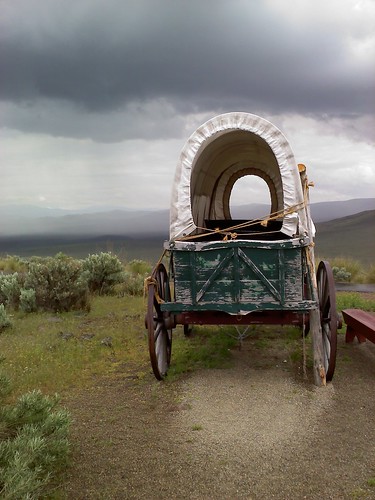
Covered wagon via cameraphoneToday is the last day of my two-month long blog tour for The Doctor’s Lady. (And the last wagon is pulling in over at Bridgette Booth’s blog today! You won’t want to miss it! Readers are voting for the place they would like to see me donate my books.)

Just to clarify—my blog tour is one that I put together on my own. I didn’t hire an outside publicity team. And my publisher wasn’t involved either. The bulk of the planning rested upon my shoulders.


What I Did For My Blog Tour:

A couple of months before the release of my book, I had a blog post that asked for volunteers. I didn’t have any special requirements—like needing massive followings or page views. I was open to anyone hosting me, whether having one follower or one thousand.

For those who expressed an interest, I sent them an initial email listing 4 possibilities for what they could do:

• Interview me using a list of 20 Q&A that I’d already written up (and attached to the email, along with my author photo and book cover)
• Provide up to 5 of their own questions
• Write a book review on their blog
• Come up with something unique that they wanted to do

I asked them to pick a date sometime in Sept. or Oct. (and I kept a running sign-up list on my Events Page for participants to look at). I gave each blog tour host a free influencer copy of The Doctor’s Lady (via my publisher). And then I also offered to provide an autographed book (via me) for their blog stop if they wanted to do a giveaway.

I had a wonderful response of people who were willing to be a part of the tour (THANK YOU!!). I ended up visiting about 50 blogs.

Each week, I sent out a reminder email to whoever was scheduled. In the email, I provided information about my trailer, my contest (while it was running), and then offered to answer one unique or fun question that could help in the promotion of their particular day.

I also helped spread the word for each stop. Of course, I had the running list of my blog tour on my Events Page. But underneath each blog post, I listed where I currently was visiting along with the teaser promotion question. I also tried to share about each blog tour stop on Twitter as well as Facebook.

In addition to helping with the promotion, I made a point of swinging by each blog at least once (and if I had time, I tried to swing by more) so that I could visit with readers.

My Impressions of the Blog Tour:

The biggest pro? I really enjoyed getting to know the participants of my tour a little better. I became more grateful for the willing and generous help that so many people gave without any thought of return. My hope was that the blog tour could be a mutually beneficial experience—participants shared the news of my book to their followers and helped spread the book buzz, but then I also helped to promote and drive new traffic to their blogs.

The biggest con? The tour was a LOT of work. A LOT. In my already tight schedule, I felt slightly overwhelmed at times trying to keep up with all the work involved crafting interviews and guest posts, writing emails, mailing giveaways, etc. Plus, I continued writing my own blog posts (for this blog) three times a week.

Did the blog tour help sell more books? My honest answer is—I don’t know. It definitely helped spread the word. If each of the 50 blogs had an average of 100 visitors who saw my book cover and read even a sentence or two, that’s 5000 people. Granted some blogs may have had less, others more, and even some overlap.

I get comments from people like, “I’ve been seeing your book all over the place” or “I’ve been hearing such good things about your books everywhere.” And blog tour hosts are reporting back about how they’re sharing my book with real life friends too. The snowball effect of word-of-mouth promotion is hard to measure, but initial feedback has been positive.

So was the blog tour really worth it? Yes. I believe that the tour accomplished what I’d hoped—and that was to build buzz surrounding the release of the book. I think having it spread over 6 to 8 weeks helped keep the initial momentum of the release going and kept the book in the spotlight. Having the tour in conjunction with my big Trailblazer Contest as well as a giveaway for The Preacher’s Bride on Kindle also helped increase the buzz.

My final thoughts? If I do another blog tour in the future, I’m still trying to decide what I would do the same and what I would do differently. Therefore, I would love your feedback!

If you participated in my blog tour (and even if you didn’t), what advice would you have for me (or anyone) to help make a blog tour work better? What do you like or not like about blog tours?

Encouragement for Aspiring Writers

Recently, my youngest daughter (who just turned six) watched the new Veggie Tale DVD, Princess & the Pop Star. This particular story is about two “girls” who switch places. One is a poor farmer lass who wishes to be famous and the other is a rock star who longs for a simpler life.

After watching the DVD several times, my daughter came up to me and motioned for me to bend down as she usually does when she has something secret she wants to tell me. (As the baby of the family, she rarely has the opportunity for privacy!).

With a shy smile, she whispered, “Mom, I know what I want to be when I grow up.”

I took her sweet little face in my hands and gave her my fullest attention. “What do you want to be, honey?”

She glanced around to make sure none of her siblings were within hearing range. Then she leaned closer. “I’m going to be a rock star.”

I drew her into a hug, pressed a kiss against her silky head, and said, “That’s wonderful. I’m sure you’ll make a fantastic rock star.”

My eight-year old son also had a recent what-I-wanna-be-when-I-grow-up moment. For some reason, he’s really into Batman. He reads Batman comics, plays with Batman action figures, and fights Batman style at every opportunity (you know, the-kicking-the legs and swinging-the-arms thing).

One day he declared, “I’m going to be Batman when I grow up.” But, he didn’t whisper it to me. He said it at dinner where all his siblings heard him. And of course, my three teenage children who are in the let’s-be-very-realistic stage were quick to inform him that there was absolutely NO way he could be Batman when he grew up.

Fortunately, my little man doesn’t get discouraged easily. And their nay-saying didn’t sway away him from his desire to be Batman someday.

If there’s one thing about parenting I’ve learned over the years, it’s that I don’t need to be the voice of realism to my children. Instead, I need to let them have wild dreams. I need to let them believe they can accomplish whatever they set their hearts on. And I need to encourage them to go for it.

Because, the fact is, there are going to be plenty of other people and situations that will eventually be that realistic voice. My kids are going to get slapped around, battered down, and told that they can’t do it.

Why should I be the one to do that dirty work?

I want to be the one to uplift them, believe in them, and encourage them (along with teaching them to work hard!). Because who am I to say that my daughter won’t be a rock star when she grows up? And who am I to say that my son won’t be a super hero someday in his own special way?

As a published author, I don’t need to be the discouraging voice to beginning writers. If I meet someone with slightly unrealistic expectations about publishing process, I don’t need to make sure they know how hard it is. If I read someone’s work, I don’t need to give a full critique and point out every mistake. And if a writer tells me they’re going to self publish their first book, I don’t need to remind them of all the pitfalls.

Instead, I can be an encouragement. We all can. Because let’s face it, we’ll all have to swallow our fair share of realism eventually. In today’s tough market, the industry is brutal enough without all of us nay-saying each other.

So, I say to each aspiring writer: You can do it. I believe in you.

What about you? Have you gotten discouraged lately because of well-meaning but negative advice or conversations? Are you surrounding yourself with people who believe in you and encourage you?

4 Ways to Add Caffeine to Your Story

After the release of The Doctor’s Lady, I’m beginning to realize readers are branding my stories as page-turners. I’m always flattered when a reader classifies one of my books that way. I like knowing readers had a hard time putting one of my books down (as opposed to being unable to pick it back up!). 

That doesn’t mean my books are better than another author whose voice and story is slower and more flowing. Because there are stories you savor and read languidly much the same way you sip a rich creamy mug of hot cocoa.

However, my stories are more like an iced coffee that you guzzle on a hot summer day.

One reader, Christy Janes said this about The Doctor’s Lady: “Wagon train stories are not my thing as there are usually several portions that lag and I find my attention drifting. That is definitely not the case with this one! The action is continuous, the hardships believable, and the romance new and exciting. I have already carved out a place on my keeper shelf for this gem of a novel, and you better believe that it's there to stay.”

Another reader, Jill Kemerer said: “I had no idea this (The Doctor’s Lady) was going to be such an adventure. From the opening chapters to the final page, this book doesn't let up, and I loved it. Fast-paced, high-tension, and a bird's-eye-view of traveling across America before the West had been settled--each chapter kept me riveted. Indeed, I read it in less than 24 hours. It was THAT good.”

As I thought about how Christy, Jill and others have described my books, I’ve realized, that although I never set out intentionally to be a page-turning (iced-coffee guzzling) type of author, I have perhaps evolved into that.

Not every writer will want or need to have an iced-coffee story. But for those who are interested in a fast-moving, higher-caffeinated story, here are some of the ingredients I use in mine:

1. Continuous, yet purposeful action.

As I write scenes, I look for ways to keep them from being static. In other words, I want to have my characters DOING things that relate to the plot as much as possible, rather than just sitting around and talking or contemplating.

2. Plenty of new and interesting adventure.

During my research phase (before I start my first draft), I keep a running list of all the weird, crazy, or interesting events/situations that I could use in my story. Then as I’m writing, I try to weave in as much adventure as I can.

3. Tightening the noose of the danger and dilemmas.

As the story progresses, I’m always thinking in the back of my mind, “How can I continue to make things worse for my hero and heroine? And how can I make the danger more threatening?” I want to keep tightening the noose around their necks so that the situation looks utterly hopeless. Sometimes I get my characters into so much trouble, even I begin to wonder how they’ll ever get out!

4. Make every scene count.

Granted not every scene will be a knife-fight, dangerous river-crossing, or attack by a mountain lion. But even those scenes that are less action-oriented can be loaded with emotional or relational tension and conflict. If there’s nothing tense in the scene, then we need to ask if it’s really needed. Perhaps we can skip it and just jump to the next conflict-laden scene.

Those are just a few of my techniques for keeping my stories moving. What about you? Which do you prefer reading—a hot cocoa book or an iced coffee? And if you’re a writer, which do you prefer writing?

**************************************************************** 
Blog tour stops and GIVEAWAYS!

Wednesday 10/19: I'm doing a guest post on Jenny Hansen's blog about how to organize plot ideas into a novel.

Wednesday 10/19: I'm over at Margaret Hansen's blog and sharing whether I've ever been tempted to write a sequel to either of my books.

How to Kiss Writing Jitters Goodbye

My third book is releasing next fall 2012. My publisher met last week to discuss the title for the book. Surprisingly, they didn’t like my title idea this time. (Since they’d gone with my first choices for The Preacher’s Bride and The Doctor’s Lady, I’d assumed I was getting the knack for picking titles!)

But the title I chose for book 3 apparently didn’t fit my brand and my penchant for action, adventure, and romance. Thankfully, my publisher is wise enough to recognize the disparity between what I’d suggested and what actually lies between the pages of my book.

Anyway, my third book is in the process of getting its title, cover development, and in-house editing. As you may remember, I recently got my rewrites (and had a hard time processing them!). But as it turned out, I ended up making almost every suggested change my editors requested.

When I sent the revised manuscript back to them, I did so with a bit of trepidation. I couldn’t help thinking, “Boy, this is going to need more work. I hope they find additional issues for me to change so that I can improve it even more.”

I realize what’s happening. I’m in the process of falling out of love with my book. With distance and each additional edit, I grow more objective. I see the manuscript more critically. In fact, I even begin to wonder why I ever wrote the story in the first place.

Regardless of how I feel about it, the book is now headed down the publication pipeline and will be on shelves in less than a year. And even though it’s my third book, I’m still nervous! It’s especially hard when I get reports from readers who tell me they really enjoyed The Doctor's Lady and The Preacher's Bride because they’re based on true women from history. I can’t help thinking, “Oh no! My next two books aren’t inspired by real people. What if readers don’t like them as well?”

Twitter friend, Robyn Leatherman, is having her book debut in a few short months, and recently she said this in an email, “I have a feeling I'm getting those nervous butterflies of what-if-nobody-likes-my-work going on here. How do you cope with those jitters?”

No matter where we’re at in the publication process—whether beginner, debut, or seasoned—I’m realizing that we can suffer an attack of jitters any time or place.

So, how do we kiss our jitters good-bye?

Here’s what I’m doing to combat my recent case of nerves: I tell myself that I’m doing the best possible job that I can. I found a story that I wanted to tell. Then I worked incredibly hard to brainstorm and craft it into a book that I hope readers will enjoy. And I labored diligently to implement all of the various writing skills that I’ve been learning.

Now I’m putting the manuscript under the editing chisel. I edited myself, gave it to my critique partner, and currently my in-house editors are helping me shave off and add even more.

In other words, I’ve given the book THE best effort that I can (for where I’m at in my writing career). I haven’t gotten lazy because it’s my third book. And I haven’t started to take my readership for granted.

No, I’ve poured out my very heart into every page. If readers don’t like it as well as my first two books, it won’t be because I haven’t tried.

And that’s all we can do, dear friends—keep on working on our stories as hard as we can, keep on learning and growing in our writing skills, and keep on putting them under objective scrutiny. If we do that, then we can stand tall and proud of what we’ve done no matter the outcome.

Have you faced any jitters lately? How do you kiss your jitters good-bye?

*********************************************************
Here's where I'm at this week in my blog tour!

Monday 10/17: I'm visiting with Jane Steen on her blog and sharing more about my writing journey. (And giving away The Doctor's Lady!)

Do Writers Need a GPS or Not?

I love my GPS. Last week I drove two hours to Grand Rapids, Michigan for an evening book signing. I’d never been to the bookstore before, and I knew I’d be driving through the city during rush hour. So I was extremely grateful for the navigation voice alerting me of my exit, directing me to the side of the highway I needed to be on, showing me exactly how many miles and minutes I had left, etc.

The GPS (global positioning system) got me to the hotel in plenty of time to refresh before I needed to go over to the bookstore. Or at least I thought it was my hotel. As it turned out, I’d punched the wrong address into the GPS. I was naïve to assume Grand Rapids had only one Country Inn & Suites. Somehow in the time between reserving the hotel and looking up the address, I’d landed upon the wrong one.

Anyway, with some phone calls and mad dashing, I made it to the right hotel and eventually to my book signing. I had a great time, especially because my daughters came along and we got to have a fun girl’s night together.

I didn’t really need the GPS on the way home. Once I navigate somewhere, I can usually find my way back home without too much difficulty.

In using my GPS, I’m realizing there are times when the precision is necessary and times when it isn’t.

Which is a lot like writing. Sometimes we need precision and sometimes we don’t. The dilemma is very much like the old question writers toss around, “How closely do we need to stick to the writing ‘rules’ and when is it okay to break them?” Should or shouldn’t we use adverbs, dialog tags, dumps of backstory, describing emotion, telling instead of showing, etc.?

On the one hand we’re given a lot of advice in fiction technique books and from blogs (like mine!) about how to write. On the other hand, we’re told to make sure we tell the story using our own unique voices.

Do we need to be so nitpicky? Or can we give ourselves some leeway?

How much leeway we give ourselves depends on how familiar the route has become. Like I said, when I’m traversing a new route I need the precision, the help, the guidelines. When I have the assistance, I'm able to get to my destination without the worry of getting lost or meandering too much off course.

With a first book, I suggest that writers enjoy the creative process, put aside any thoughts about rules or publication, and just learn how to develop a good story. But by the second book, a writer can travel the publication road more smoothly by using the navigation system of writing craft books and putting into practice more precise fiction techniques.

Once we’ve written several books and have become familiar with our style and voice, then we’re ready for a little more flexibility. We can try new things and veer slightly off trail. As I’ve put into practice the basics and foundations of writing fiction over the years, now I’m much more comfortable with how to manipulate them for my purposes. I’m able to discern when it works to break a ‘rule’ and when it doesn’t.

In navigating through the fiction world, it’s easy to take extremes. I’ve met some writers who are too precise, who stick too closely to the writing ‘rules.’ Being overly nit-picky can often lead to a cold, heartless story that reads too much like a road map.

I’ve also found some writers who reject any fiction-writing GPS help altogether. They’re determined to get to the end their own way. That can lead to writing that is equally hard for readers to get through.

What’s your opinion? Do you think writers need to spend time learning to navigate with fiction-writing techniques first? Or do you think writers should set their own courses and do whatever works for them?

The Purpose of Blogging for Fiction Writers

Over the past several months I’ve seen numerous posts around the blogosphere debating the issue of what fiction writers should blog about.

On one side, some say that fiction writers should NOT blog about “writing.” They encourage us to find out what our target fiction readers want to hear and gear our posts toward them. They believe that if we gear our blogs toward writers, then we’re missing out on our potential to connect with readers (particularly after publication).

On the other hand, some say if we’re passionate about writing, then why not share that love with others? Since we often can’t share the ups and downs of our unique writing journeys with real life friends, blogging provides an outlet for talking about writing and publication. Besides, we have a lot to learn from one another.

I haven’t jumped into the discussion because quite frankly I haven’t been sure who’s right. I guess I’ve always considered blogging to be individualistic and figured each person needs to find the niche that works for him or her. Of course, non-fiction writers really should have blogs geared to the topics and audiences of their books. And of course, there will always be the one-in-a-million blogger who has a unique voice and way of sharing that will make a name for themselves in blogging (like the Pioneer Woman).

But the majority of us are pretty average bloggers. So is there really a right or wrong way for fiction writers to approach blogging?

Sure, we can talk about attracting our genre readers before publication, but that’s very hard to do because we’re relatively unknown to readers. And we can talk about how we’re going to attract our readers after publication, but that’s hard too because when we’re a young author, we’re still mostly unknown.

The fact is, most readers aren’t flocking to their favorite authors' websites and reading them on a regular basis anyway. This might change for authors who eventually go on to be big time best sellers and have millions of readers. Perhaps then, we can expect that readers will seek us out on a more regular basis. But for now, I’m not expecting hoards of readers to wait with bated breath for every blog I post.

The more I’ve thought about the issue and evaluated my blogging experience, the more my opinion has evolved. Here’s my current philosophy—I believe one of the primary purposes of blogging for fiction writers is to develop a team or tribe, particularly before publication.

I found that through blogging I’ve made incredible connections, expanded my web presence, and developed a network of team players who are supportive, encouraging, and willing to help me out in numerous ways. During the releases of my books, my team has spread the word of my books in SO many more ways than I ever could have done on my own (which includes many of you—thank you!!).

When we blog authentically and relationally (meaning not all one-sided!), we will begin to build our teams. We develop friends who will go out of their way to promote us because we mutually care about each other and want each other to succeed.

In the scope of today’s crowded marketplace, I can’t emphasize enough just how much of a difference having a team has made in the promotion of my book. And I wouldn’t have had that team if it weren’t for my blogging.

So then, does it really matter what we blog about?

Yes and no. Yes, we want to attract team members. We want to refresh, encourage, and inspire them through our posts. Maybe we’ll make them think, or laugh, or cry. We want that give-and-take relationship that is a part of team-building.

But no. We are writers. We can take a dried worm and make it look good enough to eat. We can craft our words and posts in such a way that draws people—no matter what we’re talking about. Right?

What’s your opinion? Do you agree with my evolving philosophy that one of the primary purposes of blogging for fiction writers is in building a team? Do you think it matters what a writer blogs about?

***********************************************************
Mid-week blog tour stops:

Thurs. 10/13: I'm visiting on Karen Lange's blog and sharing a time management tip that has held me in good stead as a writer. (Plus a book giveaway!)

5 Mistakes I’ve Made in My Journey to Publication

I often share writing tips and how I manage my writing career while juggling all my other responsibilities. But lest I come across as perfect and having my act together all the time, I decided to share some of the mistakes I’ve made too. Because I’m definitely NOT perfect. I've made plenty of mistakes. And I continue to struggle and grow every day.

Here are five mistakes that I’ve made over the past several years:

1. I’ve written too realistically.

I’ve had to do major rewrites on my first two published books, in part because I didn’t make my characters likable enough. For example, in my latest release, The Doctor’s Lady, my heroine travels to Oregon over a span of seven months using a sleigh, steamboat, and eventually a covered wagon. Had I been in her position, I would have whined and complained and been miserable about two days into the trip.

In my first draft, I shaped my heroine to react the way I would if I were in her shoes. But readers don’t want a whiny, complaining character. Yes, they want a slightly imperfect character who has room to grow. But the heroine (or hero) has to react to the problems the way we ideally would. In other words, we have to portray them the way we WISH we could handle problems, not the way we actually do (thanks to Jill Kemerer for that revelation!).

2. I’ve allowed myself to get too close to my story.

Invariably I fall in love with every first draft I write. With each book, I tell myself it’s the best I’ve written to date. And I falsely hope and believe that everyone else will read it and fall in love with it too.

But I’m realizing I’ve set my expectations too high. On each of the three books I’ve turned in to my publisher, my editors have not fallen immediately in love. In fact, they’ve given me tough critiques on each.

I have to accept that I can’t write a perfect first draft—and probably never will. I can keep growing and learning all I can and trying to improve. But ultimately, I’ll never reach the place where I’ll be able to go without constructive feedback on how to make the book better.

3. I wasn't prepared for the increase in my workload.

Early on, I naively believed that being a published author consisted primarily of writing books. And while it does, I’ve come to realize that the writing is only one aspect of a writing career. The job description of a modern writer is much bigger than I ever imagined and hence the workload is much bigger than I anticipated.

4. I had too high of expectations for the sales of my first book.

Every author dreams of having people ooh and aah over his or her book, of getting glowing reviews, and subsequently having tremendous sales that surprise and delight everyone at the publishing house.

Yes, I’m having an excellent response to both of my books (currently The Preacher’s Bride has 90 five star reviews on Amazon.) And yes, my sales are successful for a debut author, but they aren’t close to what the big bestselling authors are bringing in.

Most debut authors can’t bypass the climb to success. We have to take it one rung at a time just like most of those bestselling authors did. We build our readerships slowly but surely with time and a lot of hard work.

5. I’d hoped that my marketing efforts could eventually decrease with subsequent books.

I was hoping as my readership grew that I’d eventually have to do less marketing and my books would sell without me having to go to so much work.

But as I’ve watched other authors and conversed with my agent, I’m realizing I can’t ever take my sales for granted. If I want to continue to expand my readership, I will need to keep an active role in marketing my books. Yes, even though my publisher does a top-notch job in promoting their authors, I still need to do my part—with each book.

So those are a few of my mistakes. Since I’ve fessed up, now it’s your turn! What mistakes have you made in your writing journey?

*Photo credit: flickr 

******************************************************
Here's where I'm at in my blog tour! Stop by!

Monday 10/10: I'm guest posting at Roni Loren's blog and talking about whether sweet (sexless) romances are boring or not. (Plus a book giveaway!)

Monday 10/10: Sarah Forgrave is sharing how The Doctor's Lady is a page-turner in her post, "Top 5 Signs You're Reading a Page Turner."

Tuesday 10/11: I'm visiting with Julie Musil on her blog and sharing more about my writing process. (Plus a book giveaway!)

Tuesday 10/11: Sherri Stone asked me if I can ever read through a manuscript and NOT find something to change. Find out my answer on her blog. (Plus a book giveaway!).

Book Reviewers: Wrong & Right Ways to Solicit Reviews (Part 2)

Book reviewers are an author’s best friend. I’ve discovered over the past couple of years of marketing that book bloggers have an enormous influence over readers’ buying habits. As authors we can’t forget to include reviewers as part of our marketing strategy.

If you're looking for book bloggers, Deborah (from Books, Movies, and Chinese Food) recommended using Book Blogs Search Engine. (Thanks, Deborah!) Through the site, authors can search for specific book bloggers who might be willing to provide reviews.

But what is the best way to ask book reviewers if they’d read and review our books?

Well, first and foremost, we MUST write a praiseworthy book. Enough said.

Second, we’ll likely need to have the means of offering free books to reviewers. Some publishers will giveaway free books for authors (and have review programs). But many authors will need to budget money for the giveaways.

I invited Rel Mollet, a well-known book blogger in the CBA market, to share a few of her insights about soliciting book reviews—the wrong ways and then some right ways.

1. What are some of the ways authors annoy book reviewers? What is the wrong way to go about asking for a review or gaining attention?

Demanding requests, ignoring review policies, haranguing reviewers with how amazing your book is, unrealistic requests (eg. Please read and review my book this week!) and failure to acknowledge a review that has been personally requested. In other words, doing the opposite of the etiquette hints in the next question!

2. What are some ways authors can solicit reviews in a positive way? What is good etiquette in interacting with reviewers?

Be smart about the bloggers you target.

Identify which bloggers/reviewers read and review the genre you write in. Investigate the blogs you are interested in. Are they a respected blogger? Don’t just find a blogger who only posts 5 star reviews or send books to those who only do pro-forma posts. Ask around ~ don't send your YA book to a mummy blogger just because she has kids! Find a blog with a YA focus. Book bloggers know other book bloggers – contact a respected book blogger and ask them to refer you to other well-respected reviewers.

• Look for a review policy.

Most serious book bloggers will have a review policy – read it and respect it! If the policy says the blogger doesn’t review speculative fiction, don’t ask them to read your book on time travel, no matter how amazing it might be! Reviewers will always be impressed that you have taken the time to read their policy. A blatant disregard for their policy is a sure fire way to ensure your request is ignored.

• Write a personal email addressed to the reviewer by name.

A personalized email is courteous and respectful and shows you have actually looked at the reviewer’s blog (as most bloggers will have their name easily accessible). “Dear Blogger” or “Dear Relz Reviewz” is less likely to garner a response. Provide a summary of your book, cover art and indicate a reasonable time frame in which you are hoping for the book to be reviewed. Also, request where you would like it reviewed, on a blog, at Amazon, Goodreads or another location.

• Respond graciously.

Unfortunately, I have had to decline numerous requests for reviews due to a full schedule but that doesn’t mean a writer should never ask that blogger again. Don’t burn future review opportunities by a testy response when a reviewer has had to decline your request.

• Do not send unsolicited copies of your books.

Bloggers have reading and reviewing schedules that are booked solid, often for months into the future. An unsolicited book, just like an unsolicited manuscript, is unlikely to ever be read, let alone reviewed. Don’t waste money on postage without an acknowledgment that the reviewer intends to read your book.

• Do send a gentle reminder.

If you and the reviewer have agreed to a time frame, do not feel bad in following the reviewer up with a gentle reminder. I’m embarrassed to say that there have been times when I have simply forgotten a commitment I’ve made to review a book. I would rather be reminded so I can rectify the situation rather than live in ignorance of my error.

• Consider other options to a review.

A blogger may have other opportunities to publicize you or your book, even if they don’t have time to read your book. Personally, I also do author interviews, character spotlights and character interviews on my blog and that can be a less time consuming way for a blogger to publicize your book. (Some inside information: more often than not, those posts receive more hits than actual book reviews ~ that is certainly true on my blog!)

• Acknowledge the review.

If you have personally requested a review, a thank you is always appreciated via email or DM on Twitter or Facebook, regardless of the reviewer’s opinion of the book. Leaving a comment on the reviewer’s blog, liking the review on Facebook or retweeting a positive review link is another way of showing your appreciation which takes no time at all.

Thank you, Rel, for taking the time to share your insights with us! Head over to Rel’s blog if you’d like to see how she does a Character Spotlight, Author Interview, or Book Review. I was fortunate enough to get all three from Rel for The Doctor’s Lady.

How about you? Other book bloggers, do you have anything to add to Rel's list? And writers, when you think about asking for reviews, what's the most daunting aspect of the process for you? (Asking for the reviews? Giving out free books? Wondering how people will like your book? Other?)

************************************************************
BLOG TOUR STOPS & BOOK GIVEAWAYS!

Saturday 10/8: I'm visiting with Catherine Johnson on her blog and sharing how I come up with my plot ideas!

Book Reviewers: An Author’s Best Friend (Part 1)

One of the best resources for both readers and authors are online book reviewers—particularly book bloggers.

Readers often trust the honest reviews of book bloggers (especially because online bookstore reviews can often be stacked by friends and family).

Authors covet all the help we can get in spreading the excitement about our books. Book reviewers can play a huge role in word of mouth promotion, spreading the buzz about a book beyond the scope of our usual circles.

But with all of the books out there, how do reviewers decide which ones deserve a spotlight? What are some wrong ways to go about soliciting reviews? And what are some of the best ways to garner attention from reviewers.

To help answer some of my questions, I invited Rel Mollet of Relz Reviewz, a talented and prolific book reviewer (from Australia!), to share some of her thoughts. She’ll be answering a couple of questions today and Friday.

1. First, give us a behind the scenes look at what goes in to being a book reviewer.

Most serious book bloggers/reviewers, once they’ve gotten over the initial thrill of receiving free books, are only in it for the love of it. Reading, reviewing and blogging is extremely time consuming and something bloggers/reviewers take very seriously.

Here’s an overview of the process I (and many other reviewers) go through:

1. Select a book (surprisingly, not an easy process with so many great books available!).

2. Read the book.

3. Write my review, appreciating the writer has spent months if not years investing themselves in the story, so choosing my words with care and integrity.

4. Locate cover art.

5. Locate and link to the author’s website and blog.

6. Locate and link to Amazon and Koorong (Aussie bookstore).

7. Link to other blog posts I have posted previously for the author.

8. Post review with said cover art and links 5 – 7.

9. Publicize my review on Twitter and FB, linking to the author, publisher and/or publicist.

10. Publish my review on Amazon or CBD (if requested).

11. Email review link to author, publisher and/or publicist.

In exchange for a $12 book, I spend anywhere between 5 and 10 hours of my time, with the variation mostly dependent on how long it takes to read the book. Bear in mind I am a fast reader so for other bloggers the time frame is likely to be longer.

As I said, we are in it for the love of it! What that means, though, is that most bloggers review because they want to support the industry they love, the writers and their fellow readers.

2. With so many talented authors and books out there, how do you choose which books to review?

With great difficulty! I'm offered books to review from a number of sources including publishers, publicists, and authors. I can also request books from the same sources and blog tour programs.

As much as I would love to read and review every great book available, with a family and day job commitments, that's just not possible. I've chosen to limit my blog reviews to Christian fiction as a starting point. I know there are amazing general market and non-fiction books out there I’d enjoy reviewing, but I’ve chosen to draw a line in the sand and stick to it. From there I still need to be selective if I want my family to remember who I am! Here are just a few ways I decide:

1. Of course, there are authors I love to read so they are easy to choose.

2. I also try to accommodate publicists and publishing houses with whom I have built a rapport and relationship, especially if a particular request has been made.

3. I also love supporting new authors. So if I have the opportunity to do so and I’m interested in their novel, I’ll work them into my schedule.

4. I base some review decisions on what I believe the readers of my blog are interested in, even though a book may not be my usual cup of tea.

My (Jody's) closing thoughts: In the scheme of marketing and promotion, we as authors can’t overlook book reviewers! I’ve found them to be some of my biggest and most critical supporters in spreading the news about my book.

Come back on Friday for Part 2, when Rel will be sharing some things that annoy book reviewers as well as some positive ways authors can connect and cultivate relationships with reviewers.

Question for you: If you’re a book blogger, how do you decide what books to review? And if you’re an author, have you given enough importance to book reviewers in your marketing plans?

******************************************************************
BLOG TOUR STOPS AND GIVEAWAYS:

Thursday 10/6: I'm visiting with the adorable Casey Herringshaw on her blog and sharing one of the most enjoyable aspects of my writing career.

When You Feel Like a Nobody

I recently attended a national fiction writers conference in St. Louis. I love writer’s conferences. Nothing beats talking about writing for three days straight with other people who are as berserk about writing as you are.

Let’s face it, most of the time the normal people around us just don’t get our passion. And as much as we love them, we also need to rub shoulders with other writing geeks who get it, who understand how hard the journey is, whose eyes don’t glaze over when we start talking about our books.

Sarah Forgrave, Jennifer Hale, Heather Sunseri, ME, Eileen Watson, Katie Ganshert

If you have the chance to attend a writer’s conference at some point, I highly recommend it. They not only fill the emotional writer tank, but they provide countless opportunities for networking, meeting agents/editors, and becoming more familiar with the industry.

However, one thing I noticed this year while at the conference is that amidst so many talented writers it’s very easy to get lost in the crowd, to feel like a nobody, and to start comparing. Yes. It’s easy to feel insignificant in a large group like that, even for an author like me who has a couple of published books under her belt.

Of course I had to think through the whole conference experience. Here are a few things I came away from the conference realizing:

There will always be people who won’t know us or even care about us.

When I went to my first writer’s conference as a newly agented and contracted author, I expected to be an unknown name. But this year, even with a large social media presence and two published books, I still was relatively unknown among the hundreds of other authors. Plenty of people didn’t know the slightest thing about me, my books, or my blog.

And that’s true everywhere I go in real life too. I don’t have the paparazzi camped in my front lawn. Hoards of fans don’t follow me around town swooning over me. Quite honestly, most people I meet on a daily basis don’t even know I’m a writer unless I tell them.

What does the obscurity teach us? We can’t be in this business for the fame that it brings, because it brings very little recognition for the average author. Maybe boatloads of people won’t care about us, but that should make us all the more motivated to care about those whose paths intersect ours.

There will always be others ahead of us in the publishing journey.

As I mentioned, I went into this year’s conference with two published books. I couldn’t ask for more. I’m living the dream. I have a third book releasing next year and recently signed a contract for another three book deal with Bethany House Publisher.

But as I began to listen to the accolades of other writers, the numbers of books they’d published, the multiple awards, the numerous years they’d been writing, I started to feel pretty young and inexperienced.

What does the inexperience teach us? We will always have a lot to learn. We can’t ever think we’ve arrived. We need to remember those authors ahead of us have worked really, really hard to get to where they’re at. They didn’t magically bypass all the years of labor and writing to accomplish what they did. If we hope to reach a point of success, then we have to put in the time too.

There will always be newer writers coming along behind us.

Unfortunately, I met some experienced authors at the conference around whom I felt like a speck of dust. Maybe they were too busy, too disinterested, too caught up in their own importance to have the time for younger authors like me. Oh sure, a conference is a busy time for authors, the one time a year we get to hang out with our closer writing friends. The conference is crowded, it’s hard to visit with everyone, and time is limited.

And yet I was reminded that I can't forget newer writers and young authors are important too. Once we’re published, it’s all too easy to fall into a trap of pride and think we’re “all that.” Sometimes we can turn up our noses at others, even when we don’t mean to.

What does the tendency toward pride teach us? We can’t forget we were once new, that we were the low person on the totem pole, that not long ago we felt scared and insignificant too. If we remember where we came from, then we’ll be able to reach a hand back with genuine kindness and concern for those who follow.

What about you? Amidst all of the talented writers out there, have you ever felt like you’re getting lost in the crowd? Have you felt like a nobody? What is your advice for those further ahead of you?

******************************************************************
BLOG TOUR STOPS AND BOOK GIVEAWAYS!!!

Monday 10/3:
I'm on Joan Swan's blog telling who has influenced my writing the most. AND Joan is giving away gorgeous custom made bookmarks!

Monday 10/3:
Beth Vogt is hosting me over at The MBT Ponderers blog and asked me to share what I'm currently pondering!

Monday & Tuesday 10/3-10/4:
I'm visiting Making Home Work blog and sharing more about how I juggle working from home and being a mom.
© All the articles in this blog are copyrighted and may not be used without prior written consent from the author. You may quote without permission if you give proper credit and links. Thank you!